Book Appointment
Conservative Repair
Stronger Than a FillingPremium ceramic, bonded precisely for a long-lasting seal.
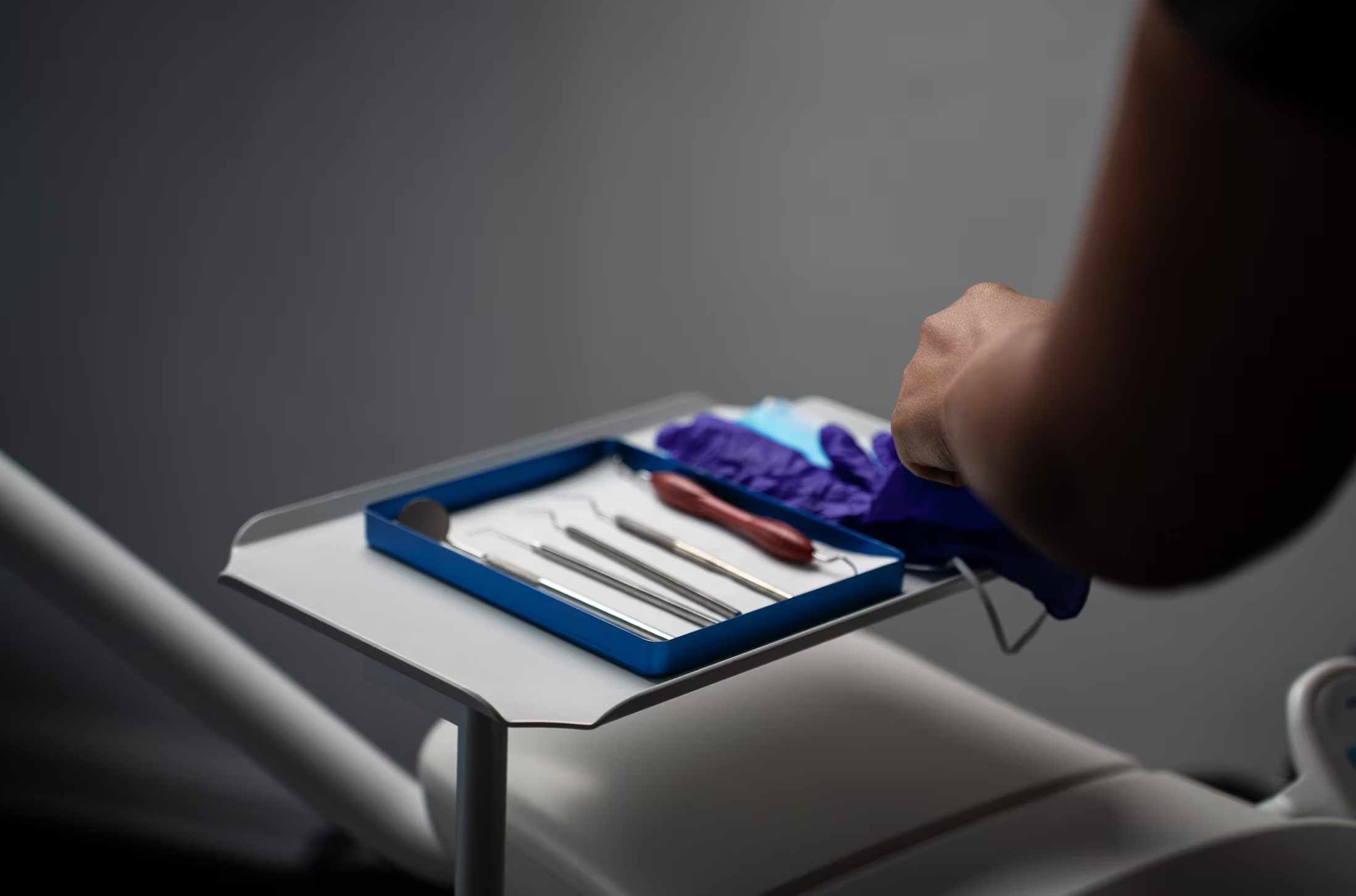
Dentist preparing their tools before a procedure.
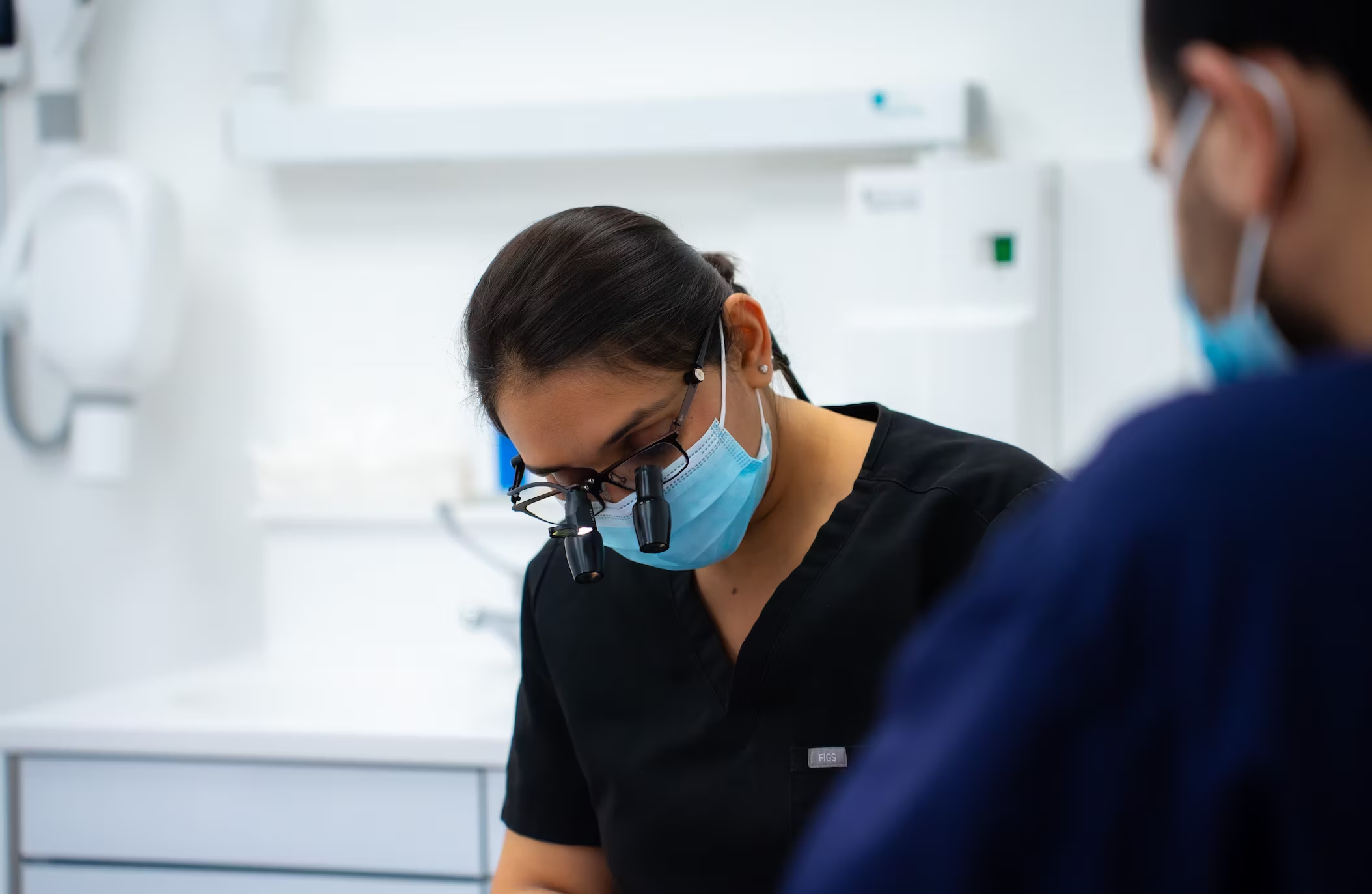
Dentist with eyewear on attentively working on a patient.
Made to Fit
Lab-Crafted PrecisionHand-made in a specialist laboratory to your exact tooth shape.

Expert Care for a Healthier, More Confident Smile

Inlays and onlays are the most refined way to restore a damaged tooth without going as far as a crown. Made in a specialist laboratory from premium ceramic, then bonded precisely into place, they offer a stronger, longer-lasting seal than a filling - while preserving significantly more of your natural tooth.

At Denmark Hill Smiles, every inlay and onlay is planned and placed by Dr Wassim Chawich, our in-house Prosthodontist Specialist. His meticulous approach ensures the fit, function and final aesthetics are exactly right for a repair you'll forget is even there.

Begin Your Journey   →
OUR LEGACY
50+ years1000+ smiles5.0 Google Rating

What are Inlays and Onlays?

Inlays and onlays are precision-made ceramic restorations that bond into a damaged tooth sitting somewhere between a large filling and a crown in scale. An inlay sits within the cusps of the tooth; an onlay covers one or more cusps. Both are made in a specialist laboratory to fit your tooth exactly, and bonded in place at a second appointment preserving more natural tooth structure than a crown would.
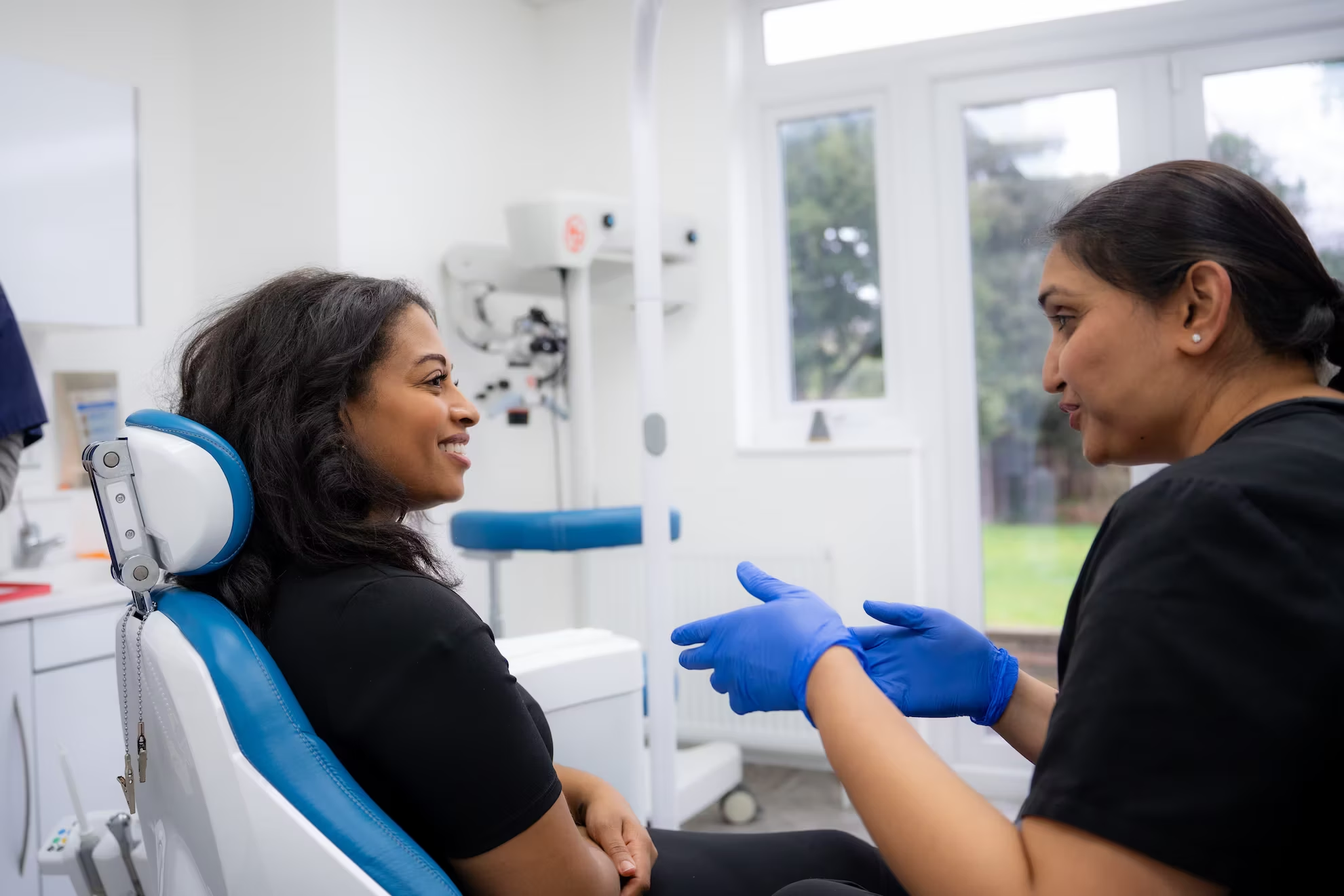
Dentist explaining procedure to a smiling patient.

Your Inlays & Onlays Journey

Inlays and onlays at Denmark Hill Smiles are placed by Dr Wassim Chawich, our Prosthodontist Specialist, and treated as a precision craft. Every case begins with a careful assessment of the affected tooth how much healthy tooth remains, the size and position of the damage, and whether an inlay, onlay or full crown will give the best long-term outcome. We'll talk through the materials available ceramic, gold or composite and recommend what fits your case clinically and aesthetically.

What follows is a precise two-appointment process. At the first visit, the damaged area is gently prepared, scanned digitally, and fitted with a temporary while your bespoke restoration is being made. The inlay or onlay itself is hand-crafted in a specialist laboratory - typically over two weeks then bonded into place at your second visit with a perfect-fit cement. Most patients can't tell where their tooth ends and the restoration begins, and forget the repair is even there within days.
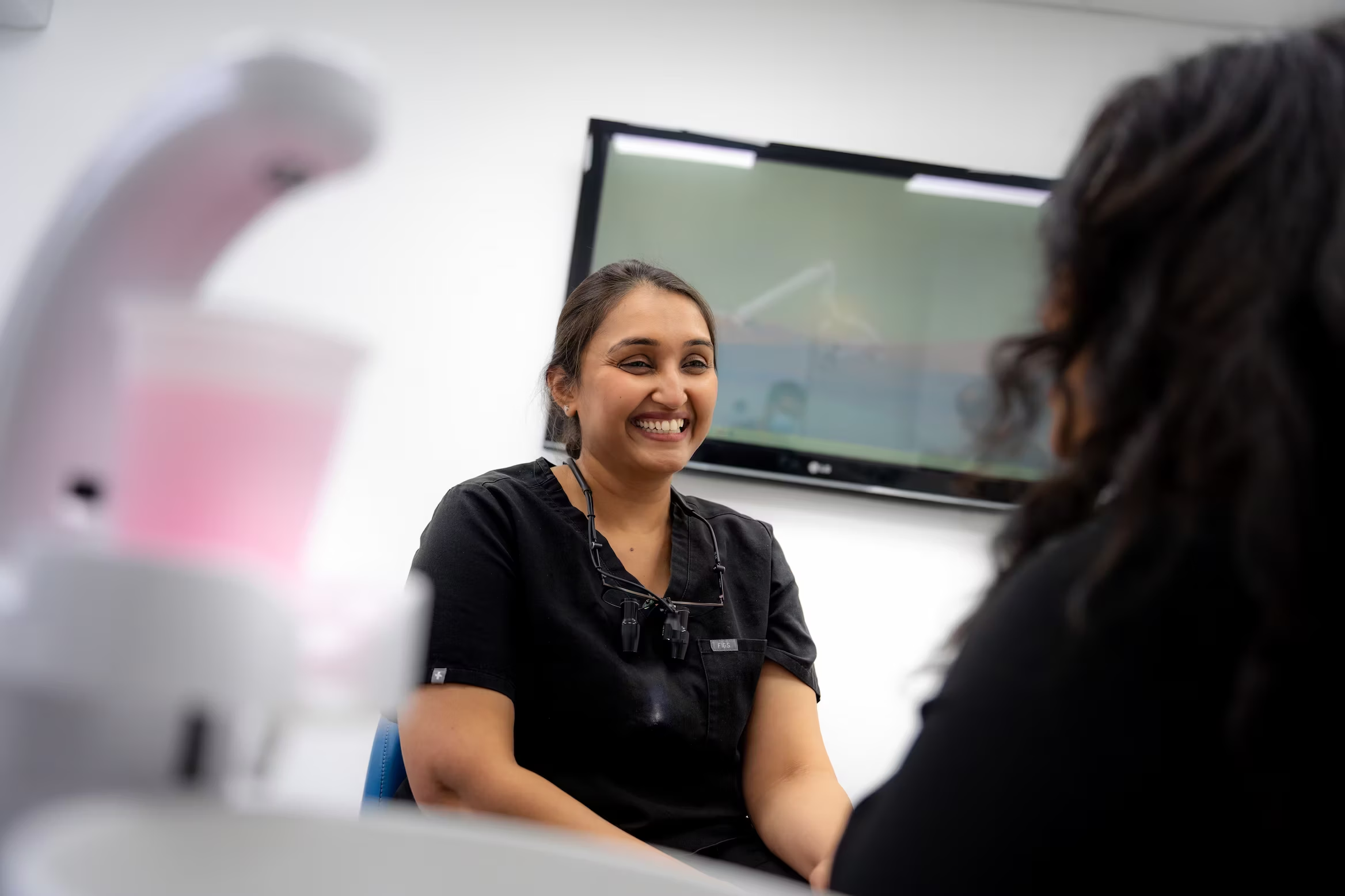
Dentist smiling towards a patient.
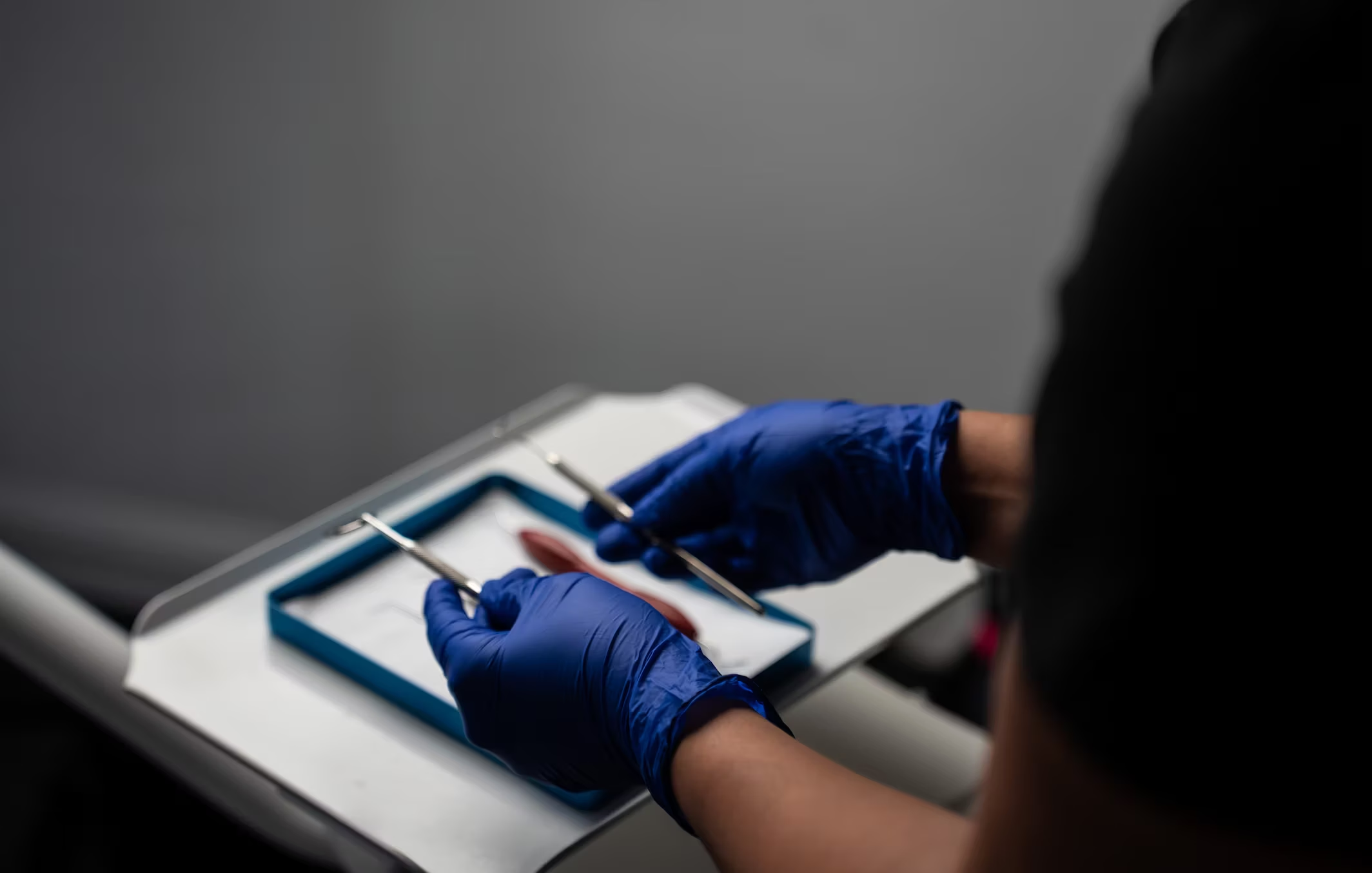
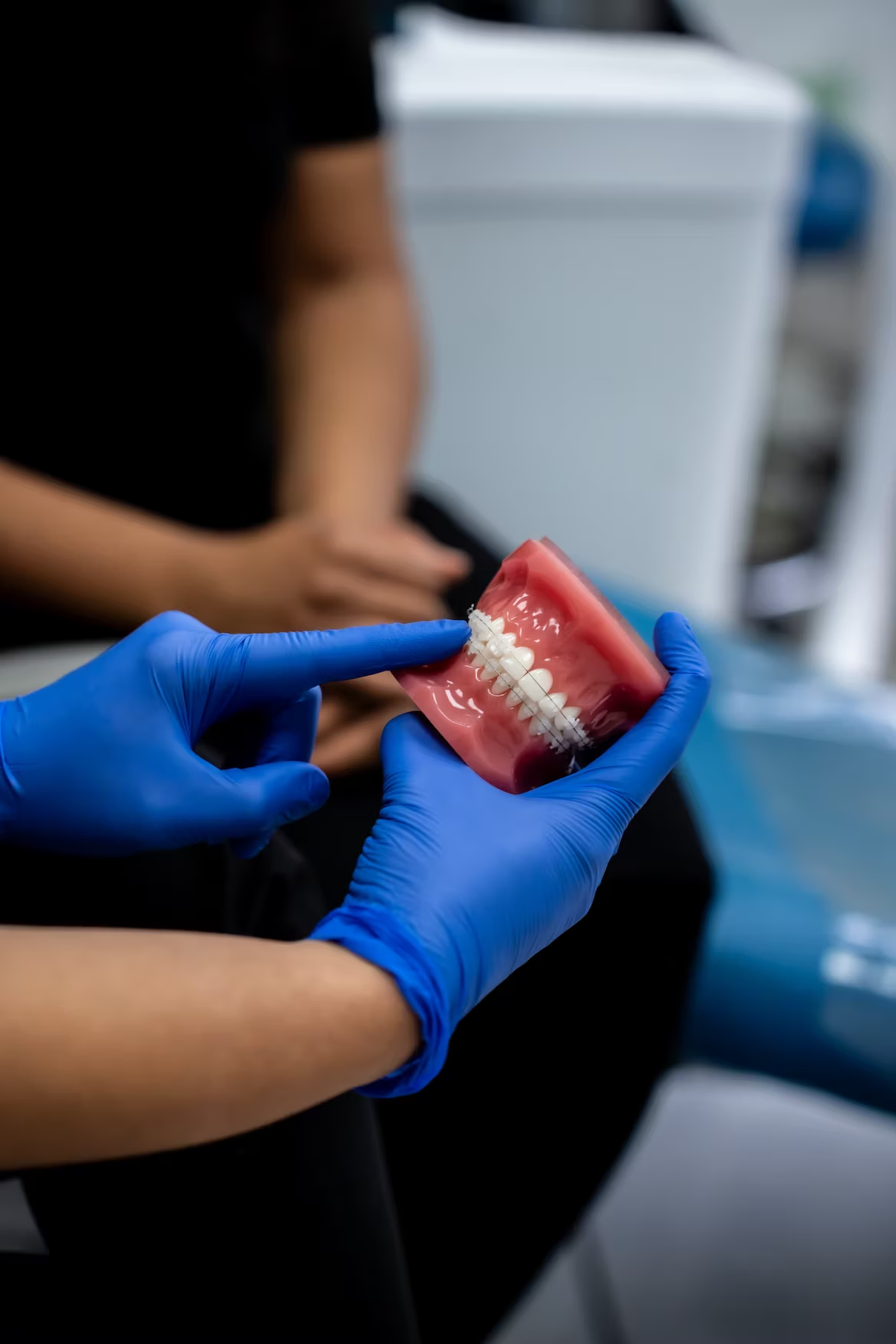
Gloved hands examining a model of the teeth.
Dentist preparing tools.
Step 1
Specialist Consultation

A full assessment, with the right restoration recommended.

Step 2
Preparation & Scan

Precise tooth preparation, digital scan, and a temporary fitted.

Step 3
Final Restoration

Your bespoke inlay or onlay bonded precisely into place.

Frequently Asked Questions

Will my dentures look natural, or obviously fake? arrow_forward_ios
The difference between an obviously dental-looking denture and one that's indistinguishable from natural teeth is almost entirely down to the craftsmanship. We work with master technicians who specialise in lifelike results — matching the shade and translucency of the teeth precisely, sculpting the gum contour to mimic the natural pink of your mouth, and adding the subtle imperfections that make a real tooth look real. You'll see a wax try-in before the final denture is made, so you can approve the look before it's finalised.
Will my dentures slip when I eat or speak? arrow_forward_ios
A well-made denture, fitted by a specialist, should sit securely in your mouth — held in place by the contour of your gum and the seal between the denture and your soft tissues. Some new wearers experience minor movement in the first few weeks while they adjust, but this almost always settles. For patients who want the most secure fit possible, implant-supported dentures offer an entirely fixed feel — clipped into place by small titanium implants in the jaw.
How long do modern dentures last? arrow_forward_ios
A well-made acrylic denture typically lasts five to ten years, with the lifespan affected mostly by changes in the shape of your gums and bone over time rather than the denture wearing out. We recommend a review every twelve months to check the fit and adjust if needed — and a remake every five to ten years to keep the comfort, function and appearance at their best. Implant-supported dentures last considerably longer, since they're anchored to permanent fixings.
Should I consider implant-supported dentures? arrow_forward_ios
For many patients, yes — and we'll always be honest about whether it's worth the additional investment. Implant-supported dentures sit on small titanium implants placed in your jaw, giving you the security of a fixed restoration with the convenience of being removable. The fit is significantly more stable than traditional dentures, eating is easier, and the underlying bone is preserved over time. The trade-off is cost and a longer treatment timeline — both of which we'll talk through at your consultation.
How do I look after my dentures day-to-day? arrow_forward_ios
Remove them after meals to rinse off food debris, brush them gently every day with a soft brush and a non-abrasive cleaner (regular toothpaste is too abrasive), and soak them overnight in a denture-cleaning solution to keep them hygienic. Don't sleep in them unless we've specifically advised it — your gums need time to rest. A six-monthly hygiene visit lets us professionally clean the denture and check the fit at the same time.