Book Appointment
Specialist-Led Care
GDC-Registered PeriodontistSpecialist training in the care of gums, bone and soft tissues.
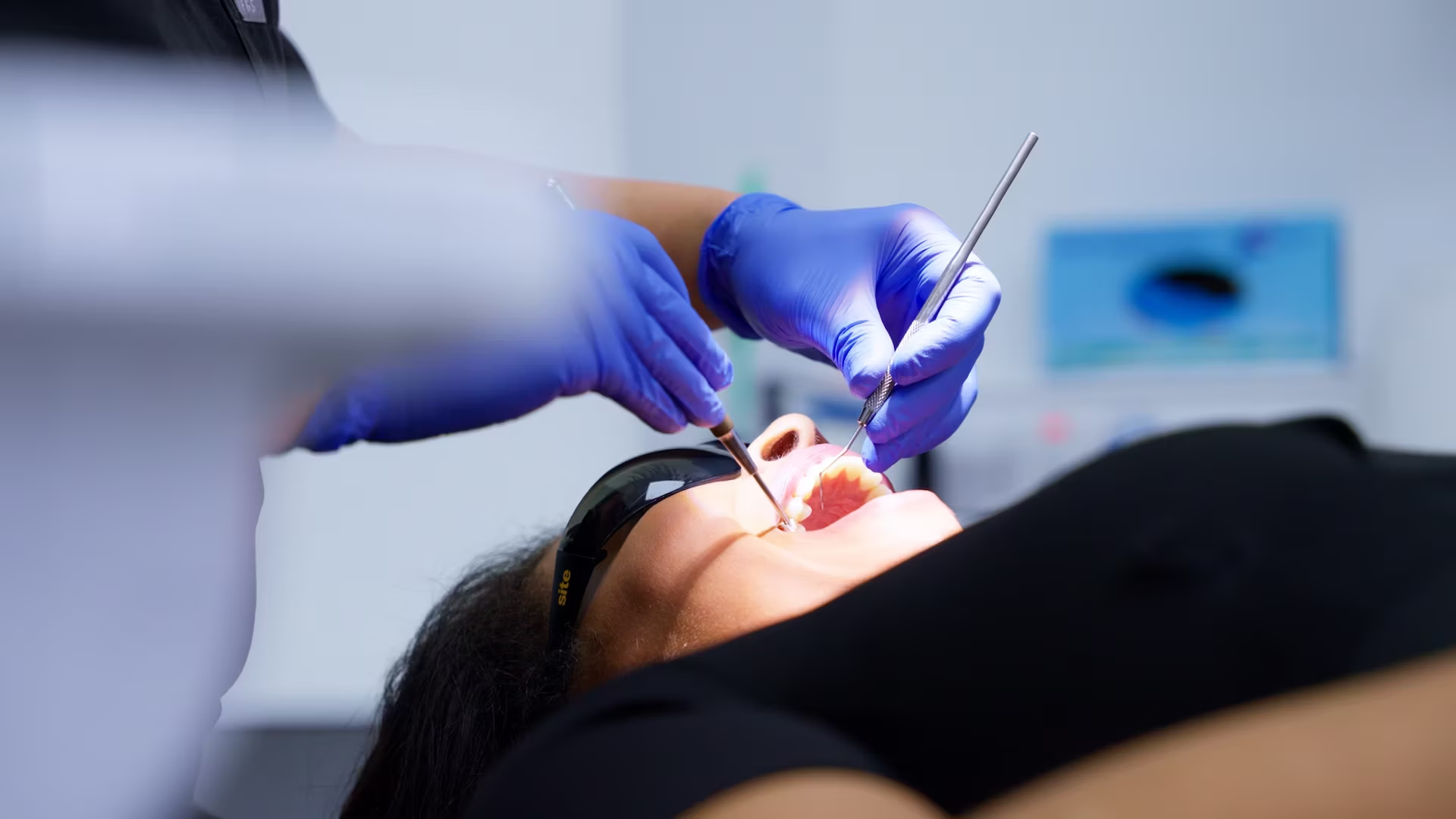
Close-up of patient laying on table undergoing inspection of the gums.
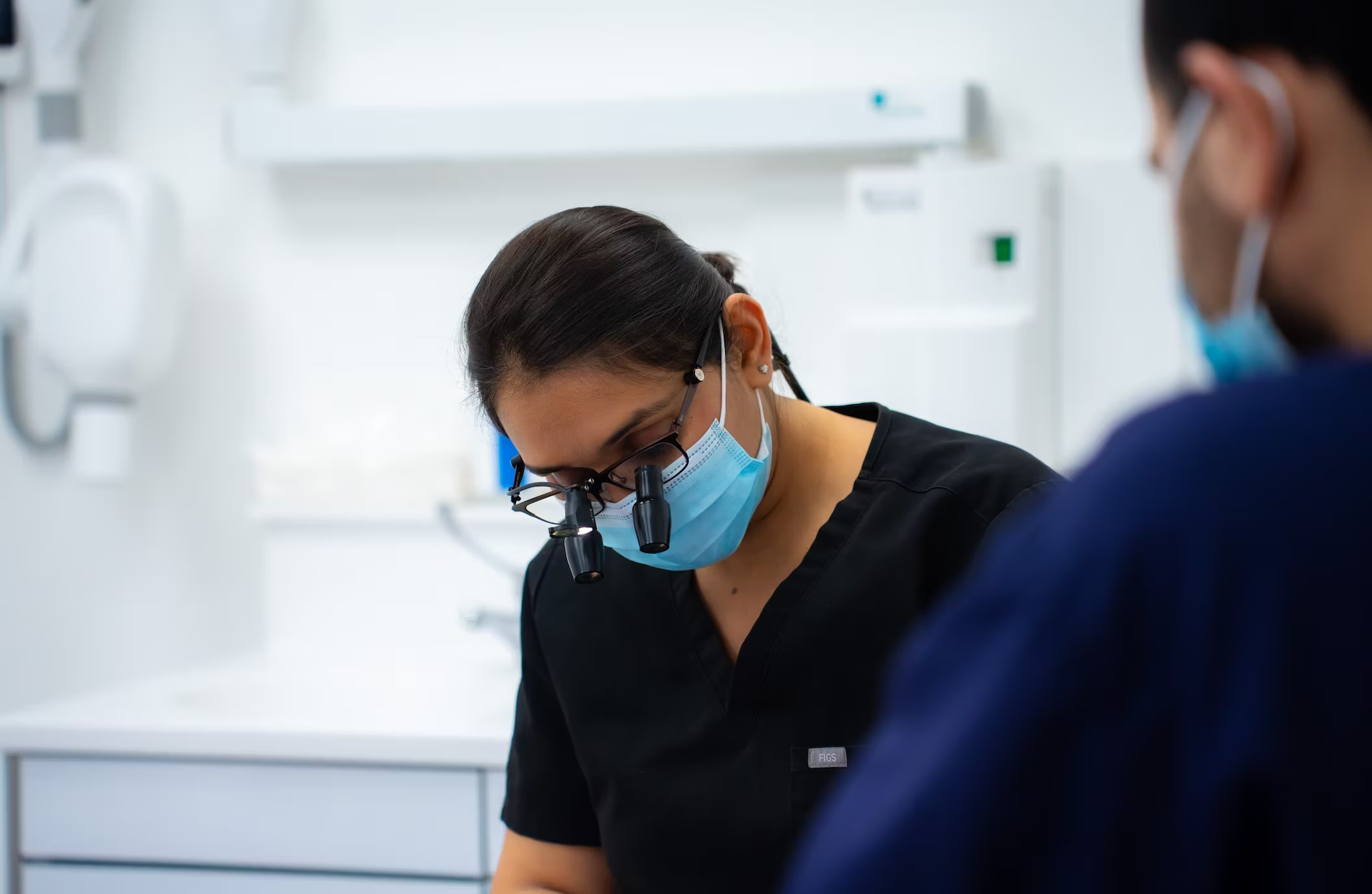
Dentist with eyewear on attentively working on a patient.
Long-Term Plan
Maintenance That LastsA clear, tailored plan to keep your gums healthy for life.

Expert Care for a Healthier, More Confident Smile

Gum health is the foundation that every healthy smile depends on yet it's the part of dentistry most patients overlook until something goes wrong. Healthy gums are what hold your teeth in place, support your bite, and frame the appearance of your smile. When they're not looked after, the consequences can be quietly serious.

At Denmark Hill Smiles, all gum-health work is led by Dr Anjana Sagar, our in-house Specialist Periodontist with practice limited to periodontics, and patients referred to her by clinicians across the region.

Begin Your Journey   →
OUR LEGACY
50+ years1000+ smiles5.0 Google Rating

What is Periodontal Care?

Periodontal care covers the diagnosis, treatment and prevention of gum disease the most common cause of tooth loss in adults worldwide. It includes deep cleaning to remove plaque and tartar from beneath the gum line, surgical and non-surgical interventions for advanced cases, and ongoing maintenance to keep your gums in their healthiest possible state. Around implants, periodontal care also prevents and treats peri-implantitis.
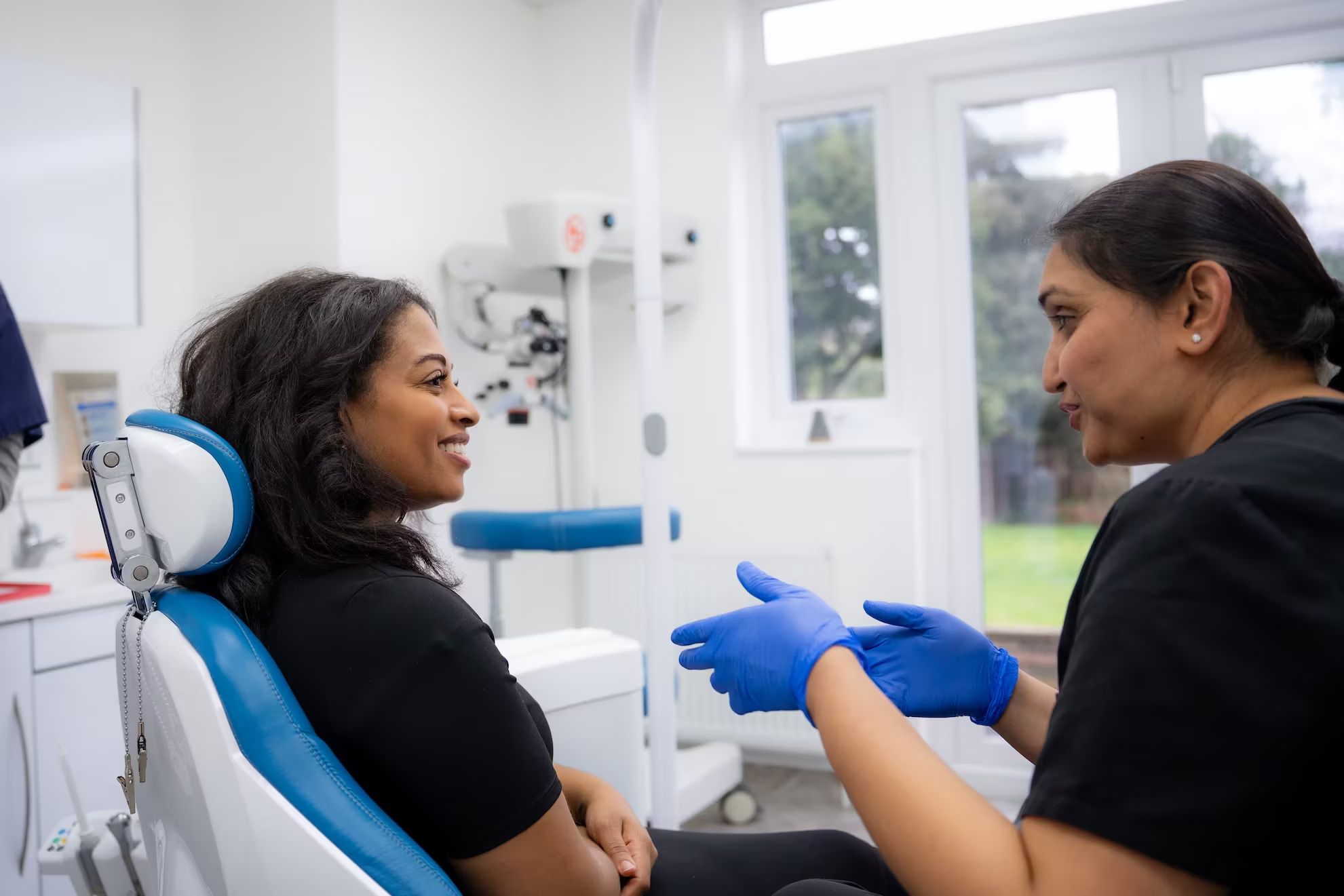
Dentist explaining procedure to a smiling patient.

Your Gum Health Journey

Gum health work at Denmark Hill Smiles is led by Dr Anjana Sagar, our in-house Specialist Periodontist, whose practice is limited to periodontics meaning every appointment is with someone whose entire clinical focus is the health of your gums and supporting tissues. Every case begins with a detailed periodontal assessment, including pocket depth measurements around every tooth, gum recession measurements, and X-rays where needed to assess the bone supporting your teeth.

What sets the experience apart is the long-term thinking. Gum disease is rarely a quick fix it's a chronic condition that needs careful, ongoing management. We'll explain exactly what's happening in your mouth, what's caused it, and what's needed to bring it under control. From there, you'll have a clear, personalised treatment plan, an honest timeline, and a tailored maintenance schedule to keep things stable for the long term. Stable gums are achievable for almost every patient but they need a proper plan.
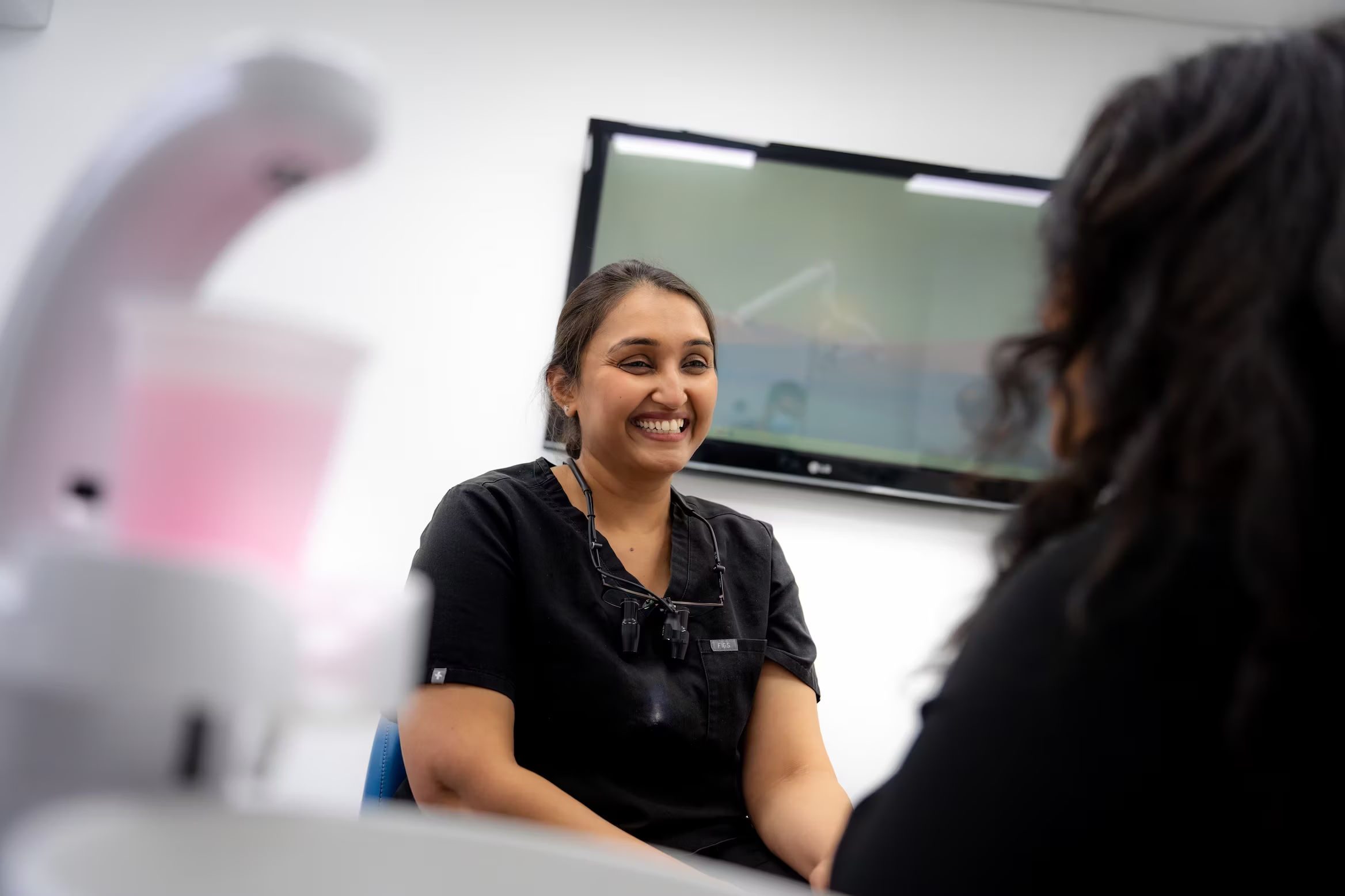
Dentist smiling towards a patient.
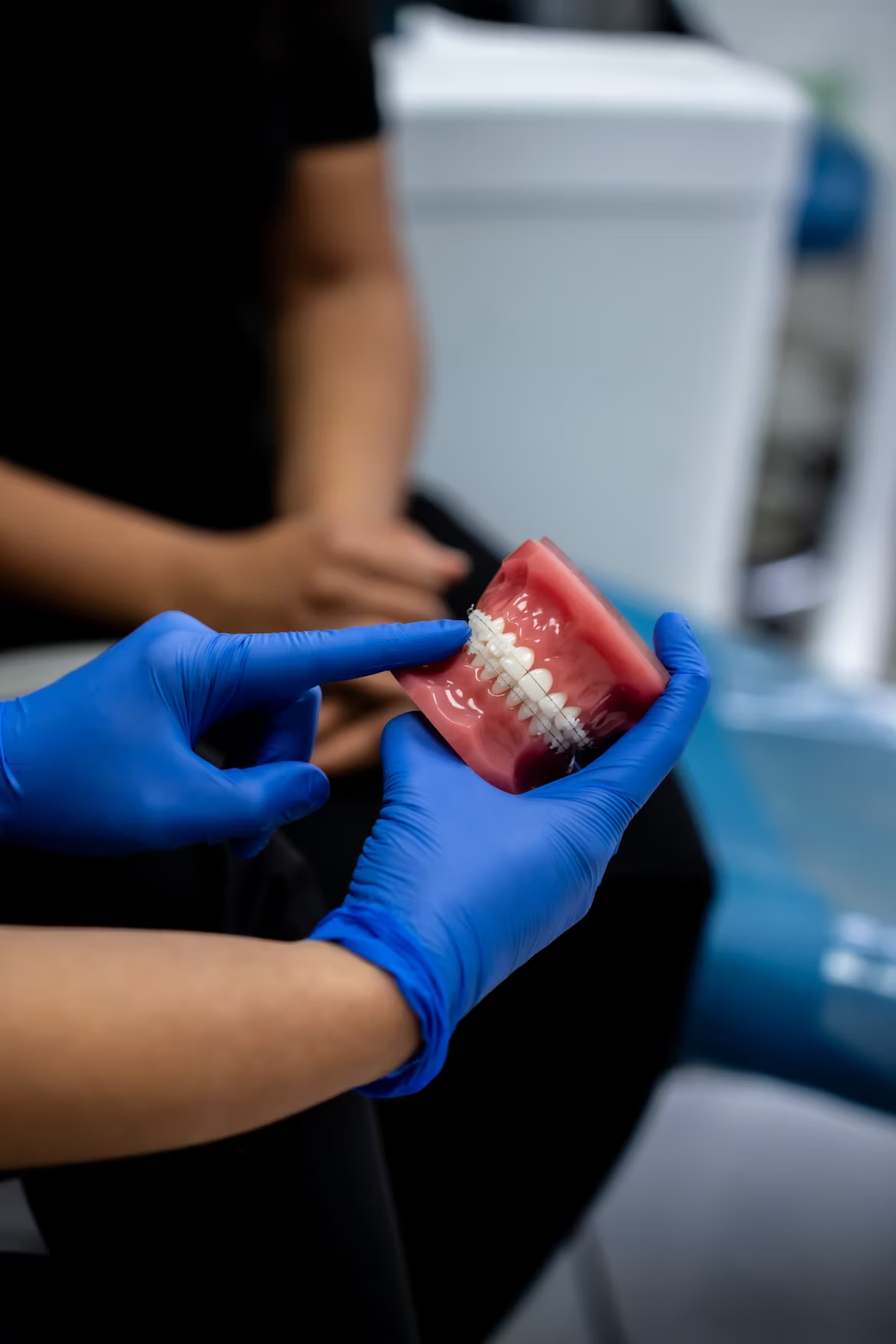
Gloved hands examining a model of the teeth.
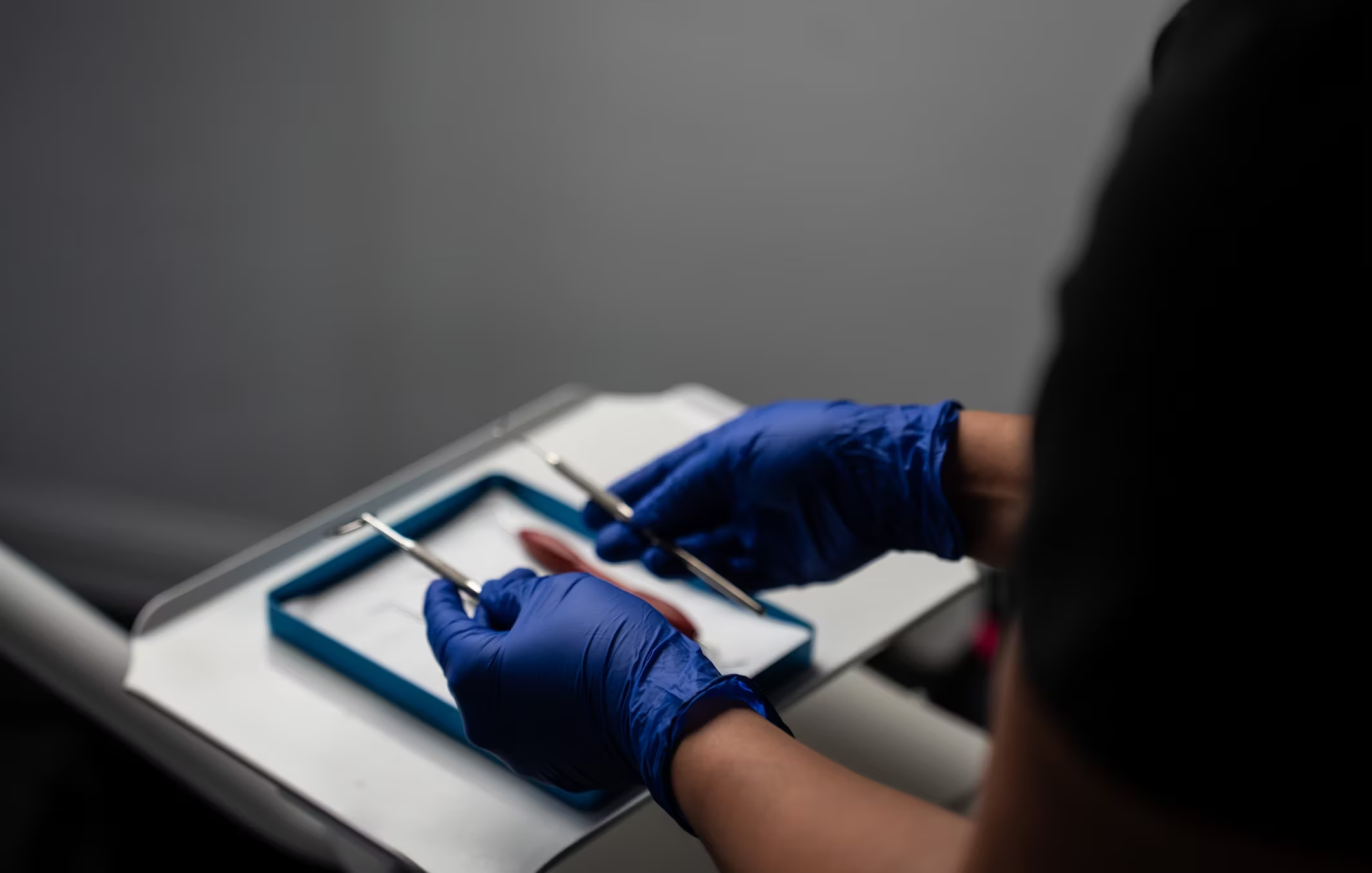
Dentist preparing tools.
Step 1
Specialist Assessment

A full periodontal review with measurements, X-rays and history.

Step 2
Treatment Phase

Targeted cleaning, surgical or non-surgical care as your case needs.

Step 3
Long-Term Maintenance

Ongoing care to keep your gums stable for life.

Frequently Asked Questions

How do I know if I have gum disease? arrow_forward_ios
The earliest signs are easy to miss — gums that bleed when you brush or floss, gums that look red or swollen rather than firm and pink, persistent bad breath, or a fuzzy feeling on your teeth even after cleaning. As gum disease progresses, you might notice receding gums, sensitive teeth at the gum line, or even loose teeth. The most reliable way to know is a periodontal assessment — bleeding gums are not normal, and most cases caught early are entirely manageable.
Can gum disease actually be cured? arrow_forward_ios
Gingivitis — the earliest stage — can usually be reversed completely with thorough professional cleaning and improved home care. Periodontitis, the more advanced form, can't be cured in the same way, but it can almost always be brought under control and kept stable for life with the right treatment and maintenance schedule. The damage already done to bone and gum tissue is usually permanent — which is exactly why catching it early matters so much.
Will my gums grow back if they've receded? arrow_forward_ios
Unfortunately not on their own. Once gum tissue has receded, it doesn't regenerate naturally. The good news is that we can usually halt further recession entirely with the right treatment and home-care approach. For patients particularly concerned about the appearance of recession, gum grafting procedures can restore lost tissue — Dr Anjana will explain whether grafting is suitable for your case at your assessment.
Why am I being referred to a specialist? arrow_forward_ios
Specialist periodontal care is recommended when gum disease is moderate to severe, when standard hygiene treatment hasn't fully resolved the issue, or when the case is more complex than general dentistry typically handles. Dr Anjana has completed an additional four-year specialist training programme in periodontology beyond standard dental training, and is registered on the GDC's Specialist List. The difference shows in how complex cases are managed and how long results last.
Is gum disease linked to my general health? arrow_forward_ios
Yes — strongly. There's significant research linking advanced gum disease to cardiovascular disease, diabetes, pre-term birth and respiratory conditions. The relationship works both ways: gum disease can worsen these conditions, and these conditions can worsen gum disease. Looking after your gums isn't just about your mouth — it's a meaningful part of your overall health, particularly if you have any of these conditions already.