Book Appointment
Modern Fit
Specialist-Led CarePlanned and fitted by a GDC-registered Prosthodontist Specialist.
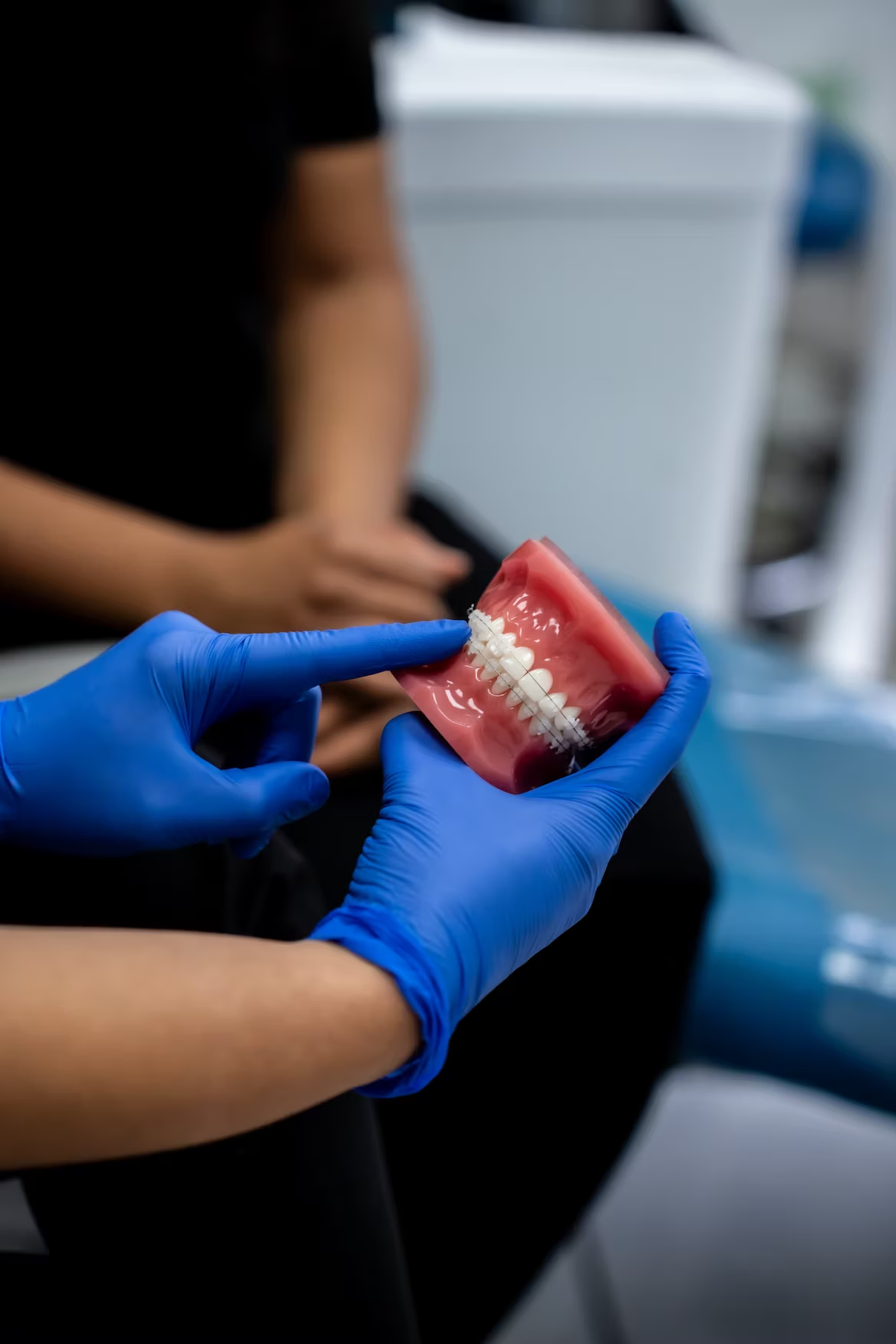
Gloved hands examining a model of the teeth.
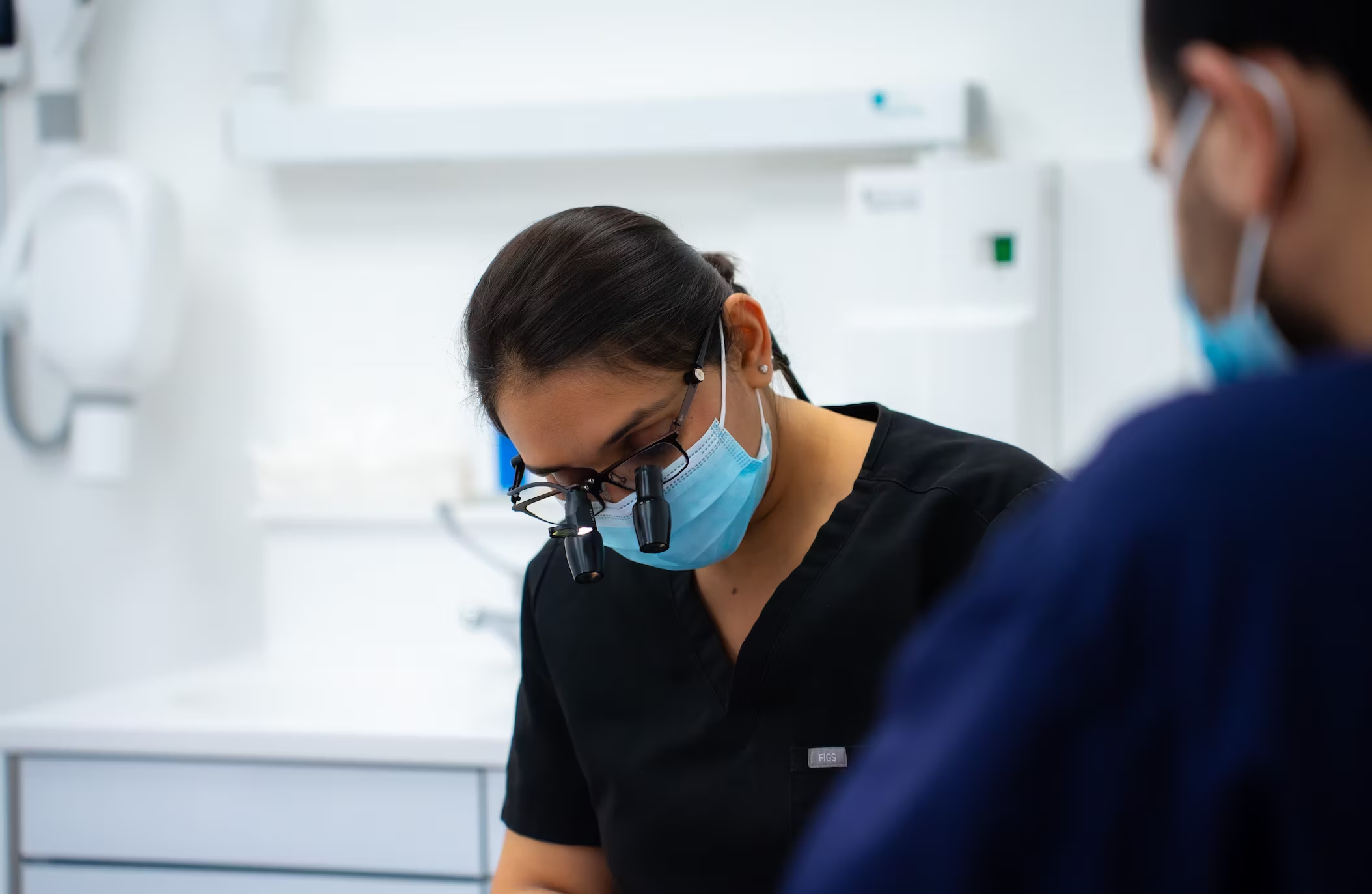
Dentist with eyewear on attentively working on a patient.
Lifelike Finish
Hand-Crafted DetailShade, shape and gum contour designed to look natural.

Expert Care for a Healthier, More Confident Smile

Dentures have evolved dramatically in recent years modern materials, precision digital fitting, and specialist craftsmanship have made them more comfortable, more natural-looking and more secure than ever before. Done well, a contemporary denture is barely distinguishable from natural teeth, both in appearance and in function.

At Denmark Hill Smiles, every denture case is planned and fitted by Dr Wassim Chawich, our in-house Prosthodontist Specialist. With over three decades of experience in complex prosthodontic work, his approach is meticulous, unhurried, and built around how the denture will feel after years of daily wear.

Begin Your Journey   →
OUR LEGACY
50+ years1000+ smiles5.0 Google Rating

What are Dentures?

Dentures are bespoke removable appliances that replace missing teeth either an entire arch (a full denture) or a few missing teeth supported by your remaining natural teeth (a partial denture). Modern dentures are made from high-quality acrylic and lifelike ceramic teeth, custom-fitted to the contours of your mouth. They can also be supported by dental implants for added stability combining fixed-feel security with removable convenience.
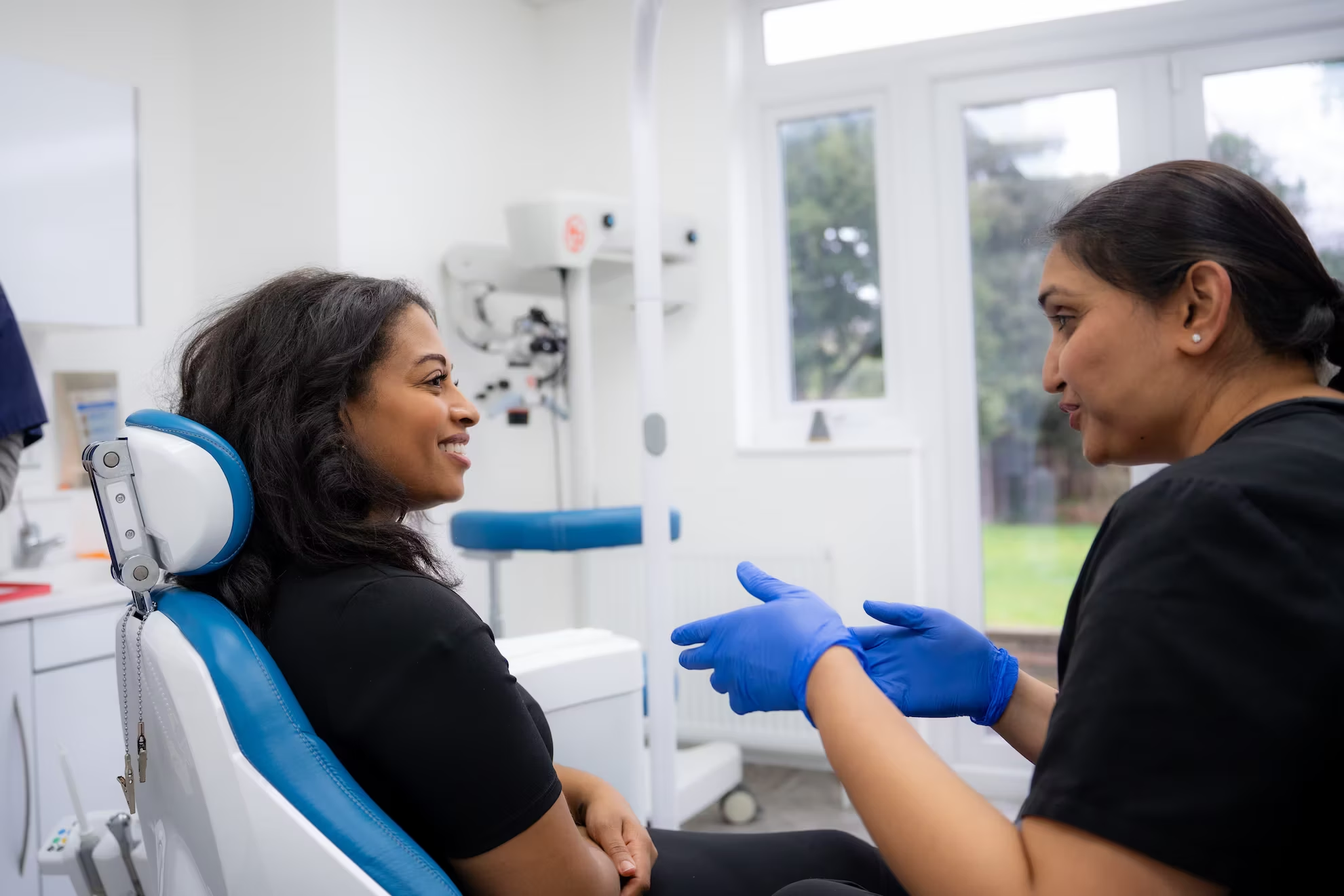
Dentist explaining procedure to a smiling patient.

Your Dentures Journey

Modern denture work at Denmark Hill Smiles is approached as a craft and as a long-term relationship rather than a single appointment. Every case begins with a detailed conversation about your priorities: how it will feel, how it will function, whether you'd prefer a removable or implant-supported solution, and how the final result should look. Photographs, smile measurements and digital scans help us plan in detail before any denture is made.

What follows is a carefully sequenced series of appointments typically four to five visits across six to eight weeks including precise impressions, bite registration, a try-in of the finished denture in wax form, and the final fit. We'll refine the fit and look at every stage, so by the time the denture is delivered, it feels familiar and comfortable. Follow-up appointments in the months after delivery ensure everything settles properly as you adjust to wearing it.
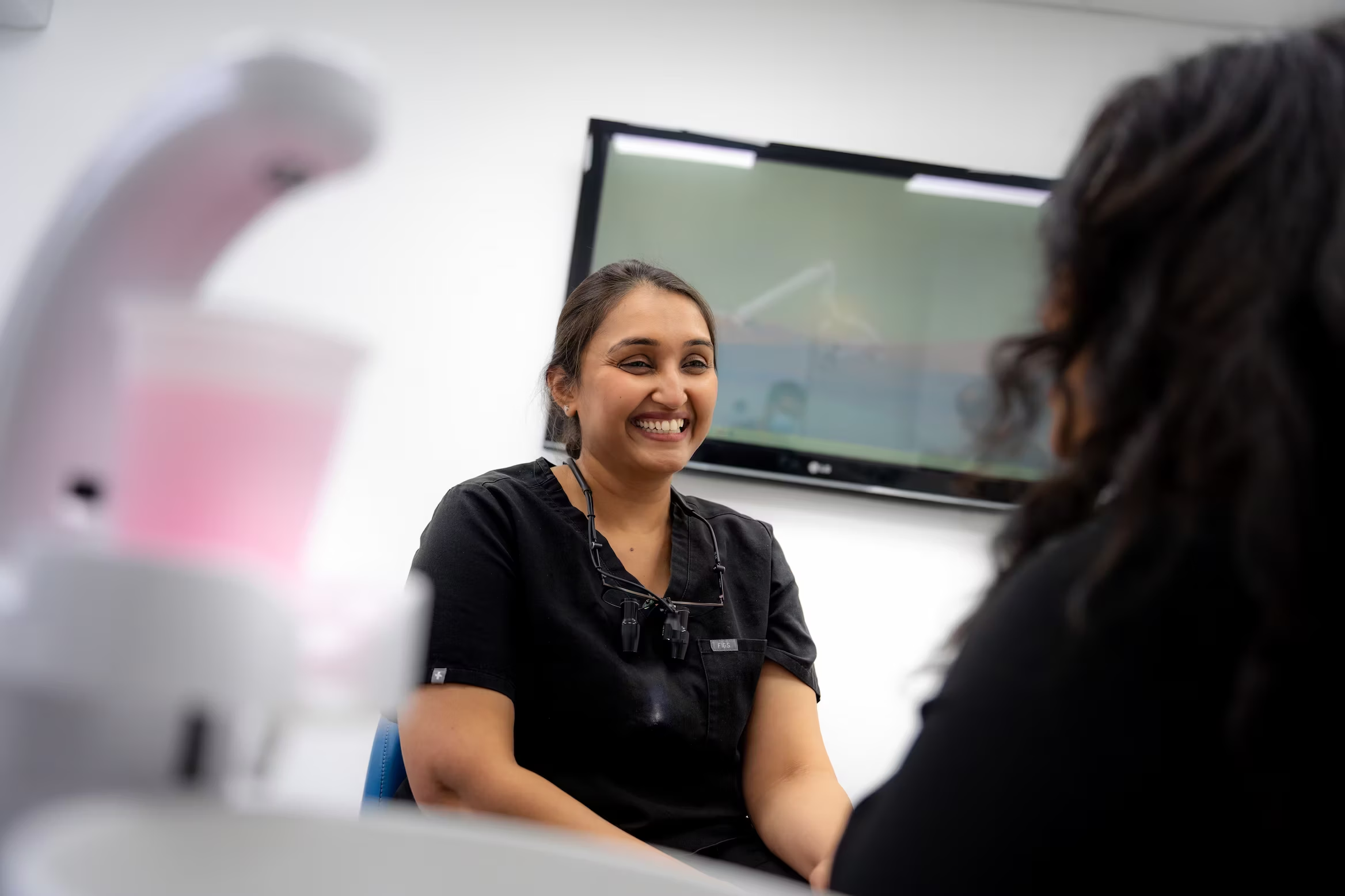
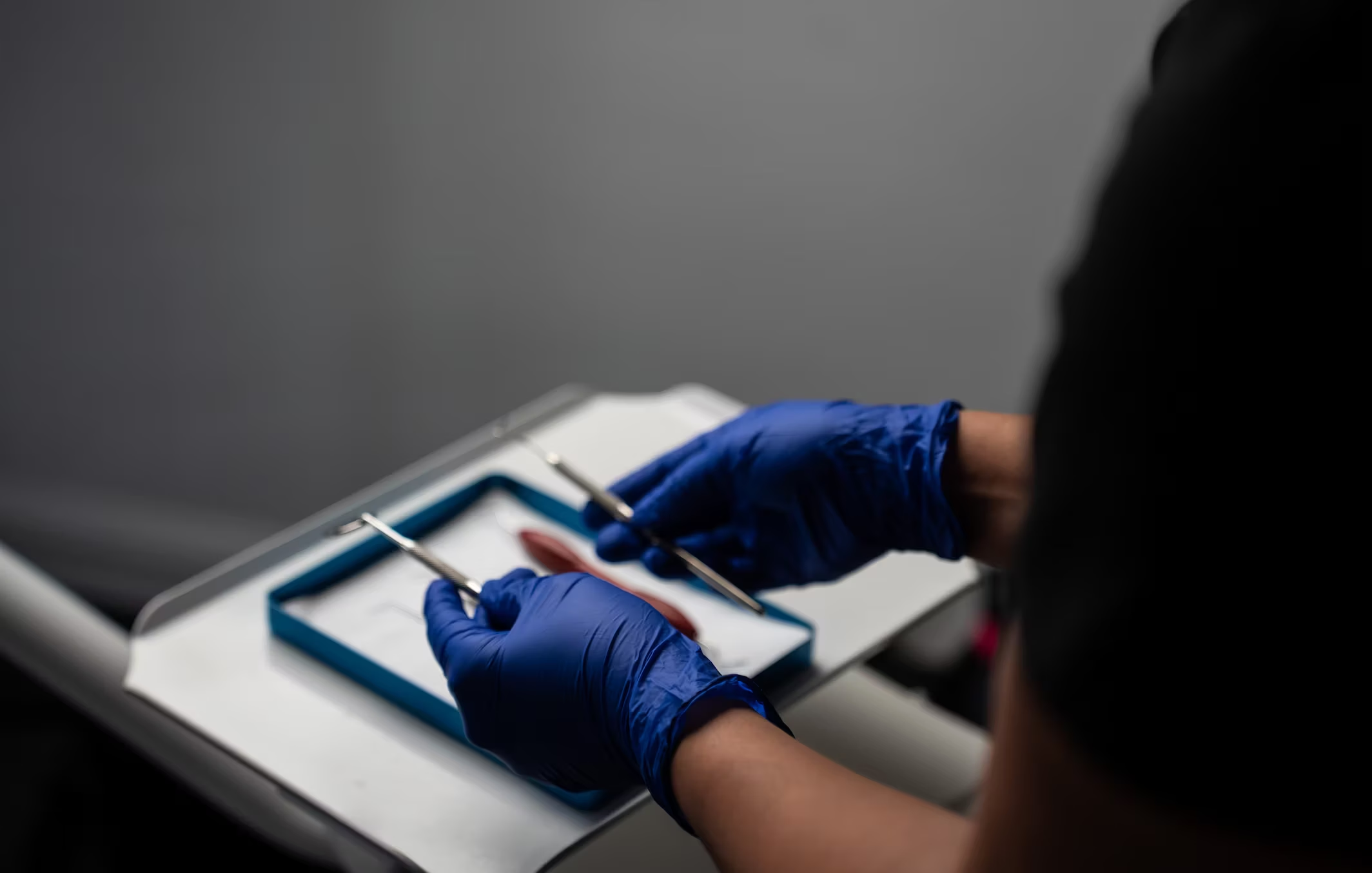
Dentist smiling towards a patient.
Gloved hands examining a model of the teeth.
Dentist preparing tools.
Step 1
Specialist Consultation

A detailed discussion of options, fit and finish.

Step 2
Impressions & Design

Precise impressions taken, with shade and shape agreed.

Step 3
Fit & Refinement

Your bespoke denture delivered, with follow-up reviews.

Frequently Asked Questions

What's the difference between an inlay, an onlay, and a crown? arrow_forward_ios
The difference is how much of the tooth they cover. An inlay sits within the cusps of a tooth — replacing the chewing surface but not the outer points. An onlay covers one or more of those cusps as well, partially covering the tooth. A crown covers the entire tooth, from biting surface down to the gum line. We choose between the three based on how much healthy tooth remains, and how much support the restoration needs to provide.
Why not just have a filling instead? arrow_forward_ios
Fillings are placed directly in your mouth — moulded, hardened and shaped in a single visit. They're ideal for small to medium cavities. For larger damage, a direct filling can shrink slightly as it sets, weakening the seal over time and increasing the risk of decay underneath. Inlays and onlays are made outside the mouth in a controlled laboratory, then bonded in with a perfect fit — giving you a stronger, longer-lasting result for moderate to large repairs.
How long do inlays and onlays last? arrow_forward_ios
A well-placed ceramic inlay or onlay should last fifteen to twenty years on average — often longer with careful care. The lifespan is significantly longer than a large composite filling in the same position, partly because the material is more wear-resistant, and partly because the lab-made fit creates a better seal against decay. Regular hygiene visits and good home care are the two biggest factors in keeping them in place for the long term.
Will it look natural? arrow_forward_ios
With modern ceramic materials and a skilled laboratory, yes — completely. Ceramic inlays and onlays are colour-matched to the surrounding tooth, with the same translucency and surface texture as natural enamel. Most patients can't see where the restoration ends and their natural tooth begins, even close up. If you'd prefer gold for added longevity (it's the most durable material we use), we'll explain the trade-offs at your consultation.
What material is best for inlays and onlays? arrow_forward_ios
It depends on the tooth, the load it carries, and your aesthetic priorities. All-ceramic (e.max) is the most popular choice — natural-looking, exceptionally strong, and a good match for the surrounding teeth. Gold is the most durable option, lasting thirty years or more routinely, but visibly metallic — so usually reserved for back teeth where aesthetics aren't a concern. Composite inlays sit between the two: cheaper than ceramic, but with a shorter lifespan.