Book Appointment
Gentle & Thorough
Specialist HygienistDual-qualified in dental hygiene and therapy.
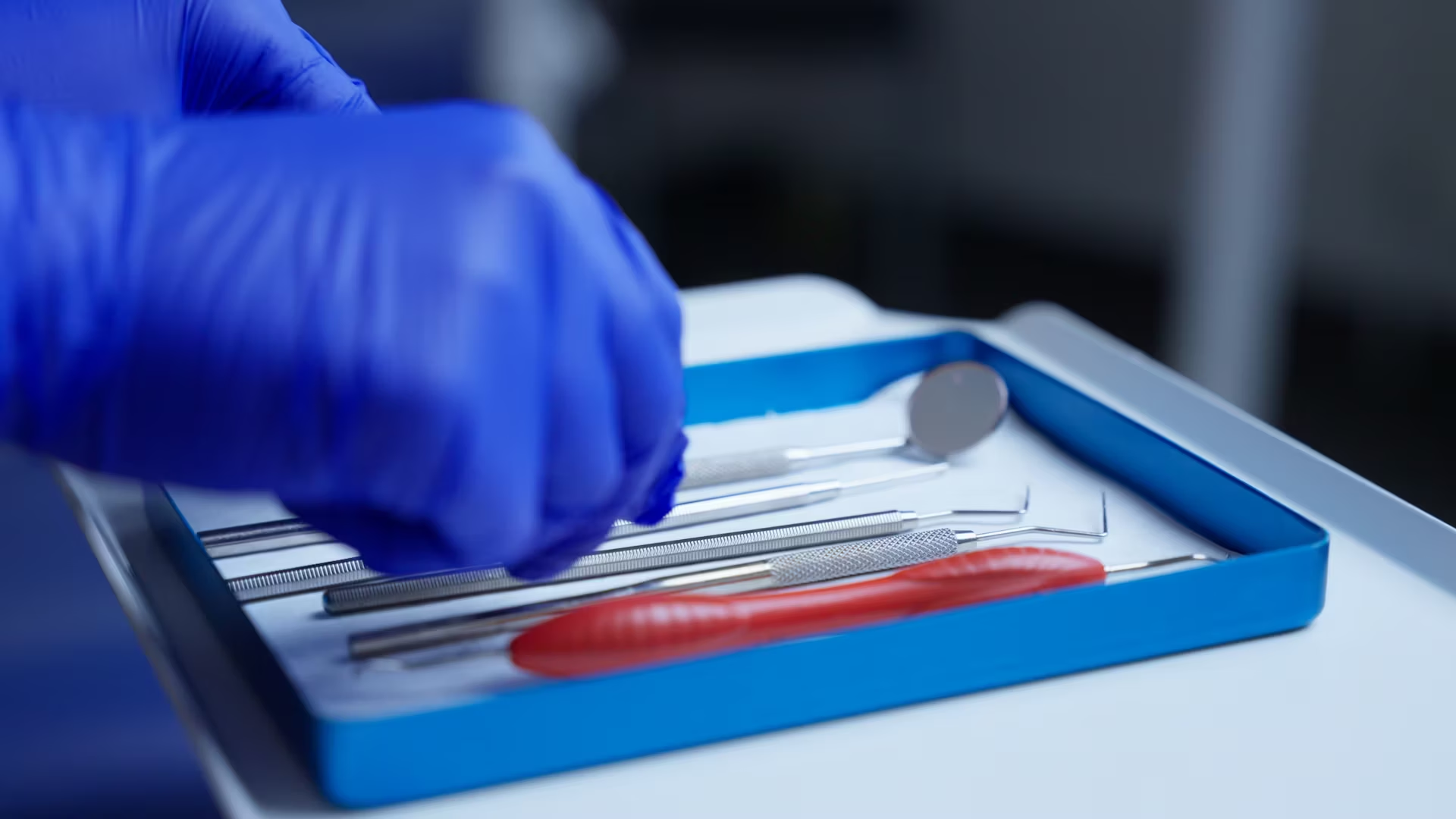
Close-up of dental equipment in sterile tray.
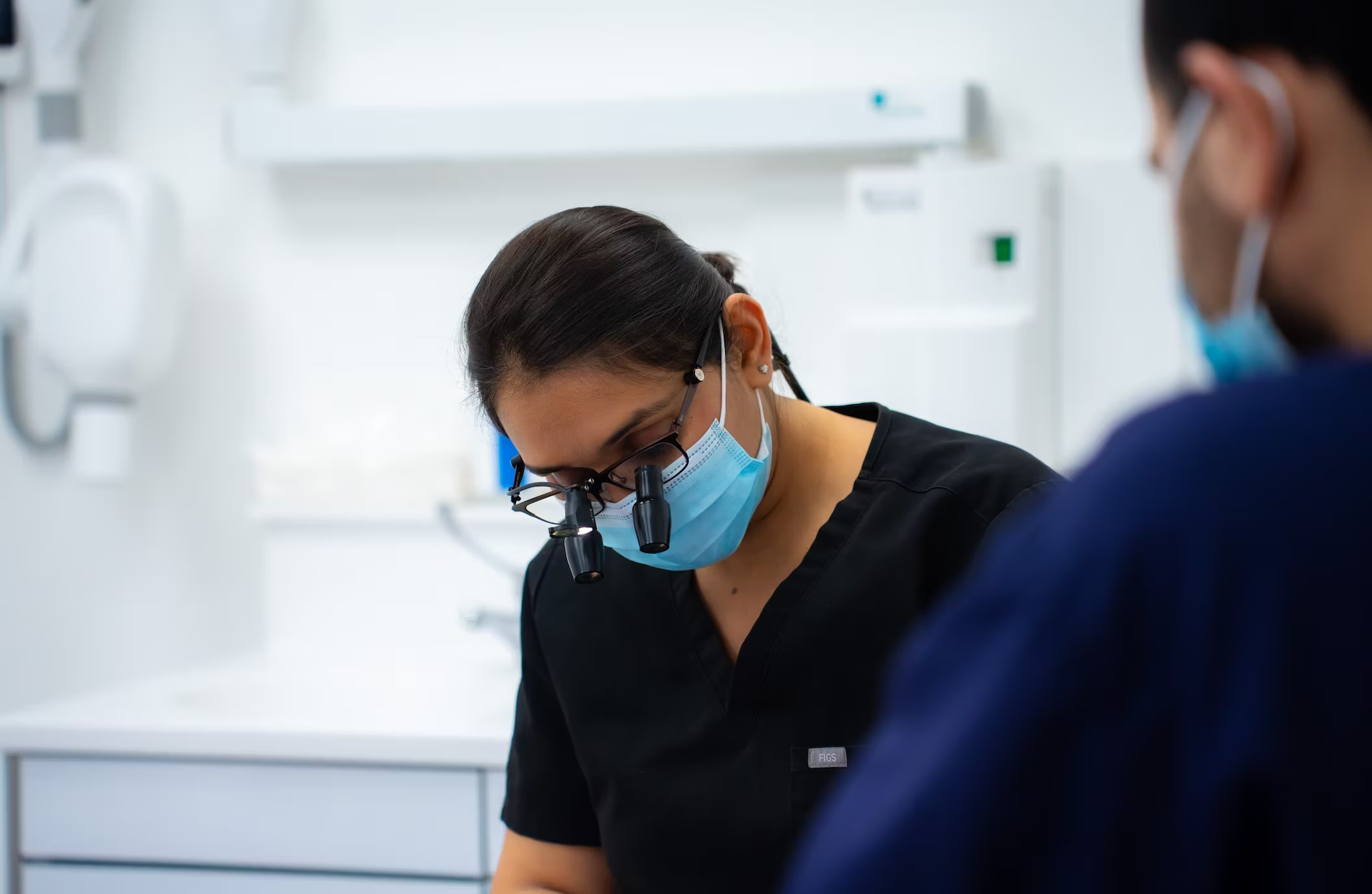
Dentist with eyewear on attentively working on a patient.
Modern Technology
Air Polish & UltrasonicPrecision instruments that clean what brushing can't reach.

Expert Care for a Healthier, More Confident Smile

Hygiene appointments are the foundation that everything else rests on the single most important visit you'll make to keep your teeth, gums and smile in their best condition for the long term. A proper hygiene visit goes far beyond the polish you might remember from years ago: it's a thorough, gentle clinical clean tailored entirely to your mouth.

At Denmark Hill Smiles, every hygiene appointment is led by Matia Koufali, our dual-qualified Hygienist and Therapist. Her style is gentle, attentive, and quietly excellent which is why so many patients ask for her by name.

Begin Your Journey   →
TRUSTED BY

What is a Hygiene Appointment?

A hygiene appointment is a thorough clinical clean of your teeth and gums far more than a quick polish. It includes a careful assessment of your gum health, removal of plaque and tartar from above and below the gum line using ultrasonic and hand instruments, professional polishing or air polishing, and tailored advice on looking after your teeth between visits. Usually lasting thirty to forty-five minutes.
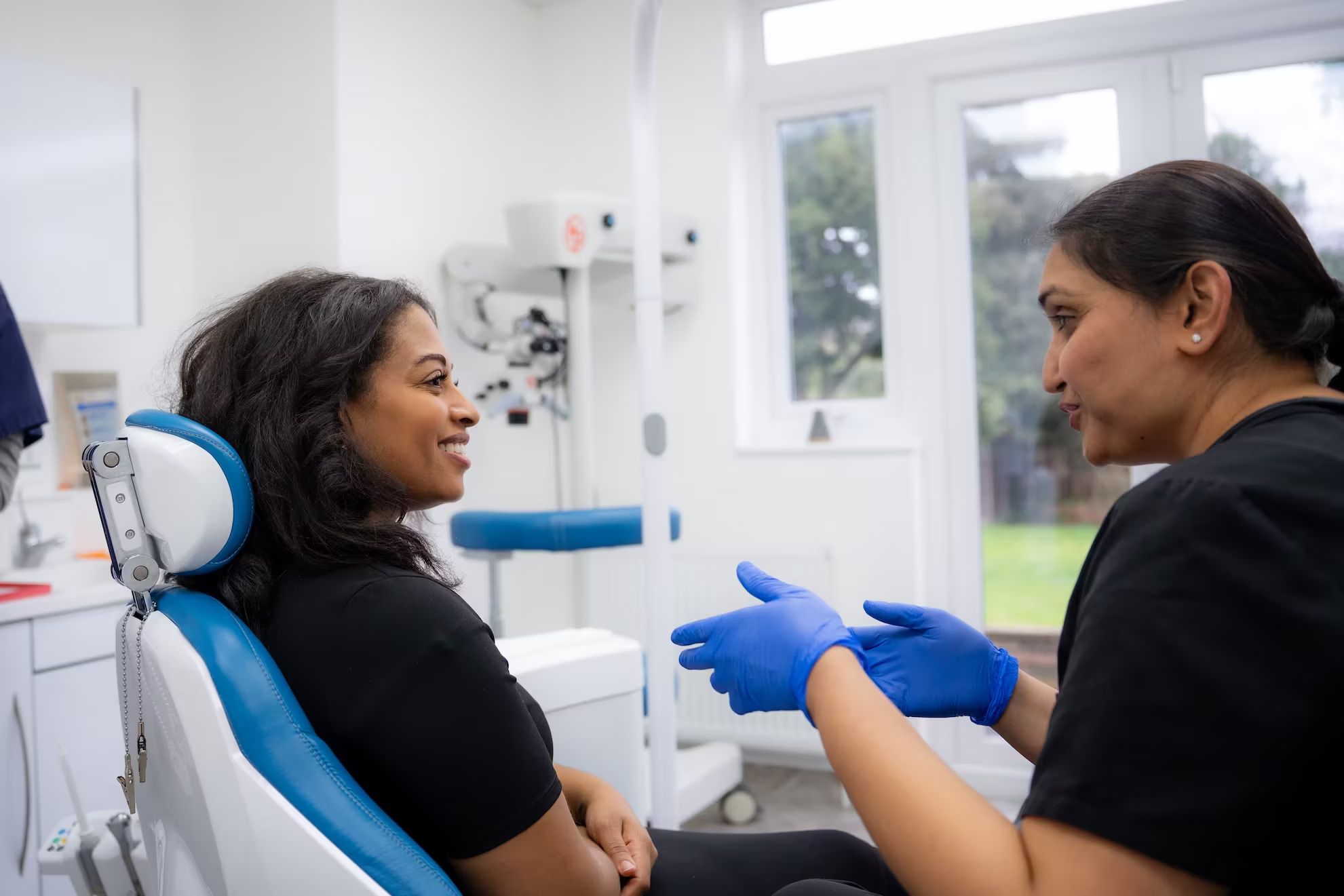
Dentist explaining procedure to a smiling patient.

Your Hygiene Journey

A first hygiene appointment at Denmark Hill Smiles is treated as a clinical assessment as much as a clean. Matia begins by reviewing your gum health in detail measuring pocket depths around each tooth, checking for signs of inflammation, and identifying any areas that need attention before they become more involved problems. From there, she'll tailor the cleaning approach to what your mouth actually needs, rather than running through a generic routine.

What sets the experience apart is the time we take, and the technology we use. Ultrasonic instruments gently break down hardened tartar both above and below the gum line; air polishing a fine jet of water, air and a gentle powder removes stubborn surface staining without the abrasiveness of traditional polishing pastes. You'll leave with cleaner teeth, healthier gums, and one or two specific home-care adjustments that make a real difference between visits.
Dentist smiling towards a patient.
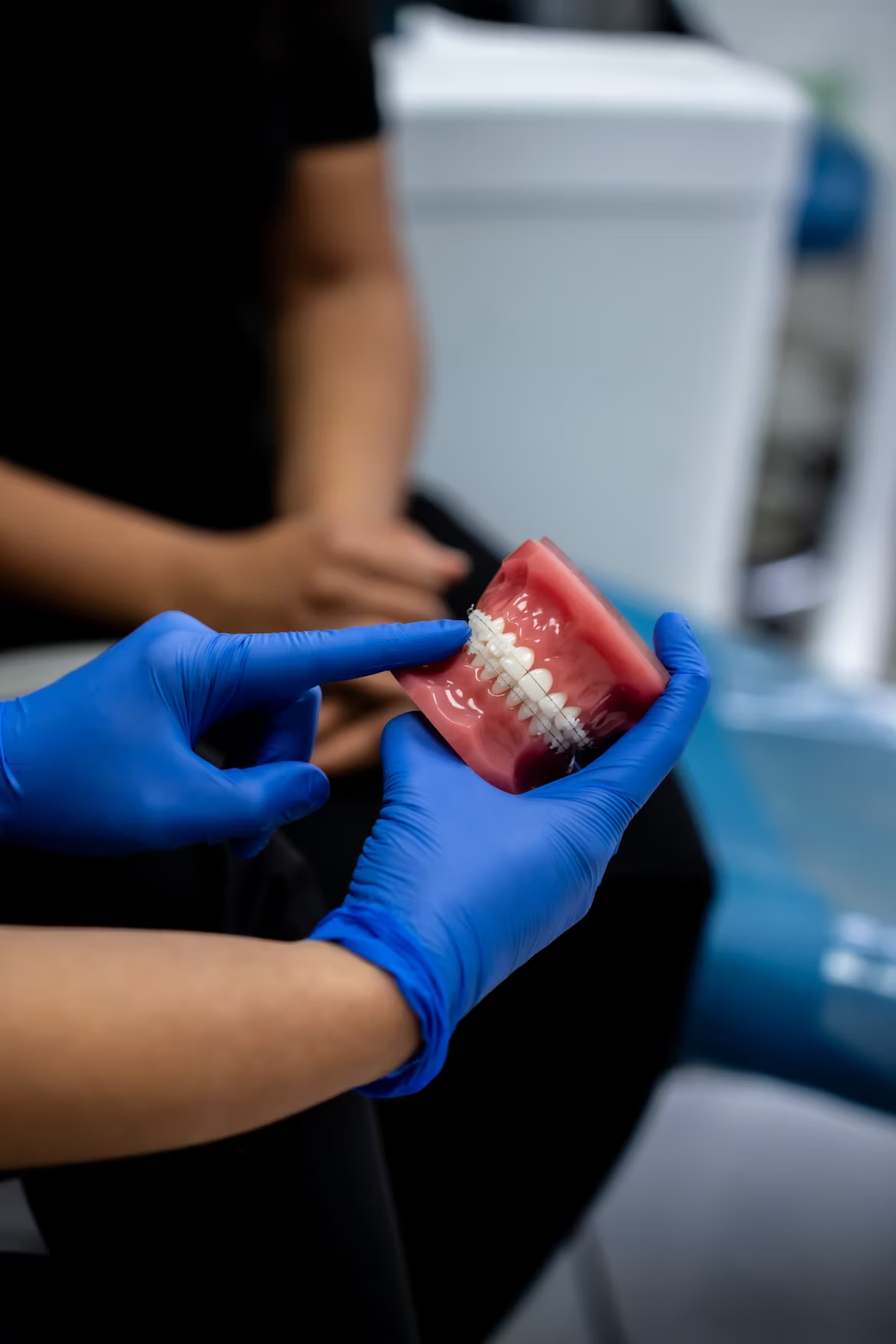
Gloved hands examining a model of the teeth.
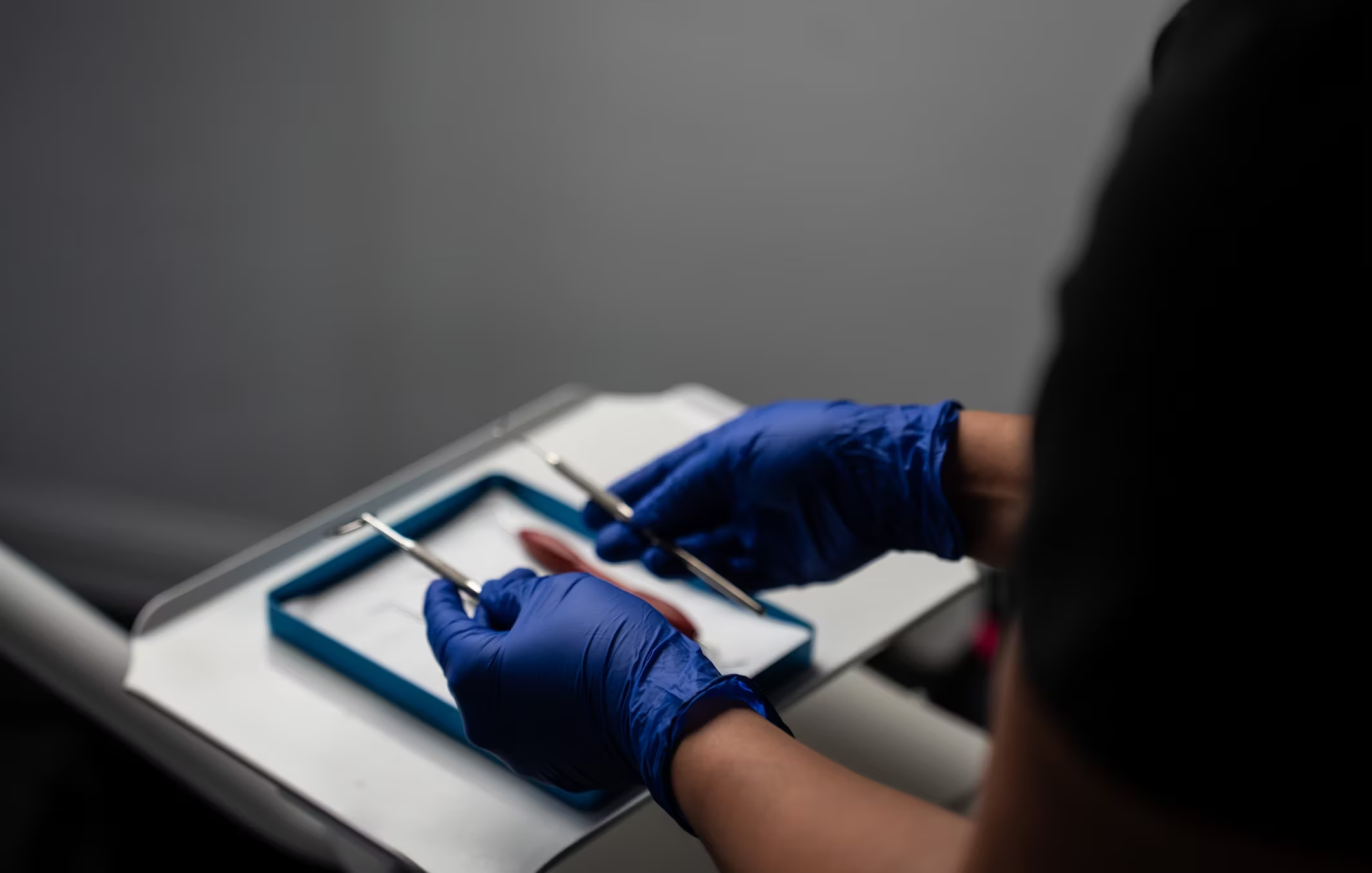
Dentist preparing tools.
Step 1
Gum Health Assessment

A detailed review of your gums, pocket depths and any signs of concern.

Step 2
Clinical Cleaning

Tartar removed above and below the gum line with ultrasonic instruments.

Step 3
Polish & Advice

Air polishing where useful, plus tailored advice for home care.

Frequently Asked Questions

When should I bring my child for their first dental visit? arrow_forward_ios
We'd recommend a first visit around your child's first birthday, or within six months of their first tooth appearing — whichever comes first. Early visits are short, gentle, and mostly about familiarising them with the environment rather than doing any clinical work. The earlier children meet the practice in a positive context, the more comfortable they'll be at every visit after.
My child is anxious — how do you handle nervous children? arrow_forward_ios
Carefully, slowly, and without ever forcing anything. For very nervous children, we'll often start with a 'happy visit' — just a chat, a look around the surgery, and a ride in the chair — without any clinical work at all. From there, we build up gradually over several appointments as your child becomes more comfortable. Dr Jigna is particularly skilled with anxious young patients, and parents are welcome in the room throughout.
Do you treat children on the NHS? arrow_forward_ios
Yes — NHS dental care is available for all children under 18, and we're proud to offer it. Get in touch and we'll let you know about availability for new patients. If you'd prefer a private appointment for any reason — for example, longer appointment times or more flexible scheduling — that option is also available.
When should I start thinking about braces or orthodontics? arrow_forward_ios
The right time to think about orthodontics is around age seven, when we can spot any developing alignment or jaw issues early. This doesn't mean treatment will start at seven — most orthodontic work happens between eleven and fifteen — but an early assessment lets us catch issues that are far easier to correct before all the adult teeth have come through. Dr Jigna has advanced orthodontic training and can guide you on what's needed and when.
What should I be doing for their teeth at home? arrow_forward_ios
The essentials: brush twice a day with a fluoride toothpaste suitable for their age, supervise brushing until around age seven, limit sugary snacks and drinks (especially between meals), and avoid bottles of milk or juice at bedtime once they're past infancy. At every visit, we'll tailor more specific advice to your child's age, diet, and any habits we notice — but those basics are the foundation.