
Book Appointment
Gentle & Precise
Comfort ThroughoutThorough numbing, sedation where helpful, no rushing.
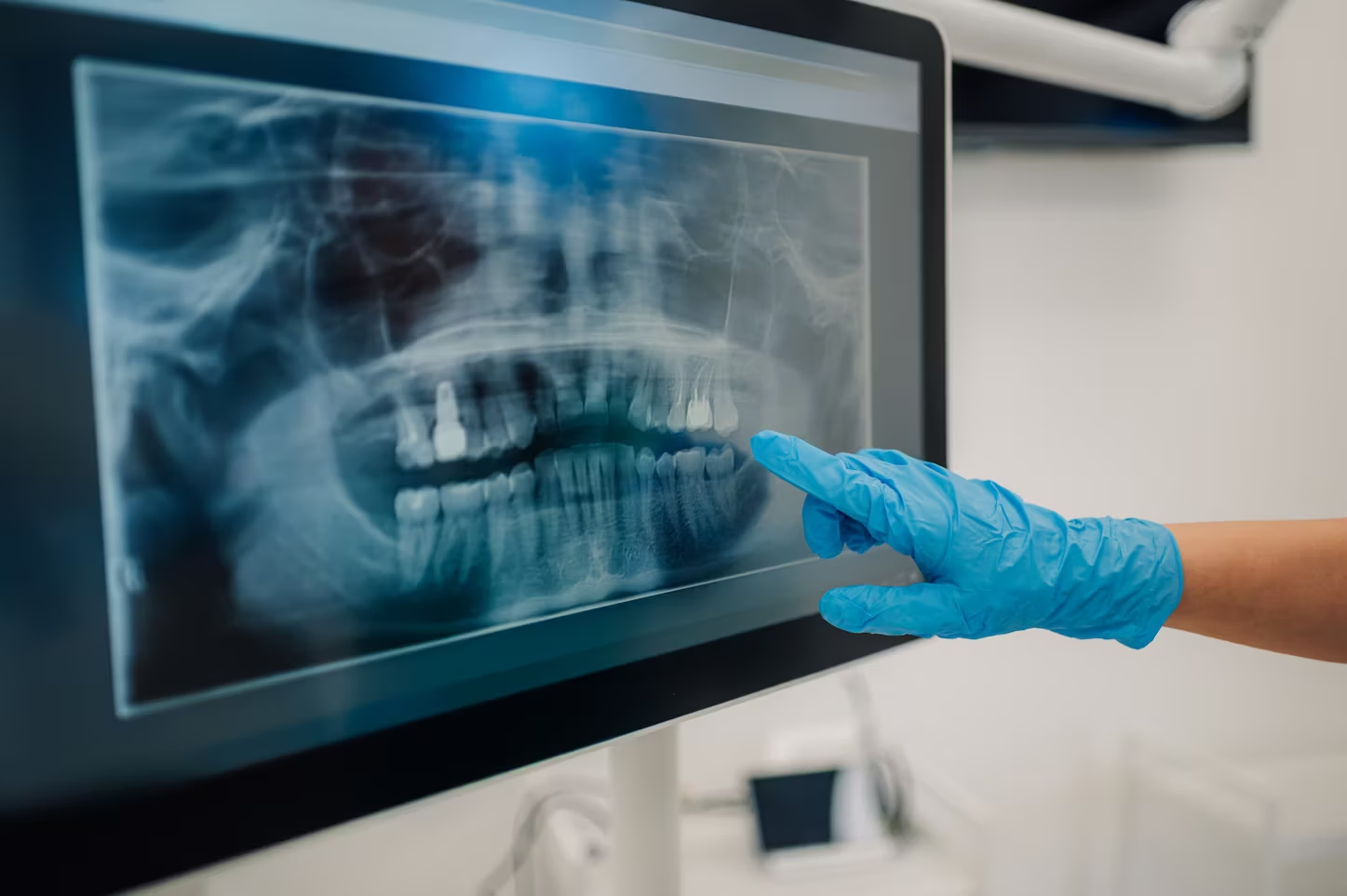
Gloved hand describing an X-ray image of the teeth.
Dentist with eyewear on attentively working on a patient.
Replacement Planning
A Clear Path ForwardImplants, bridges or dentures planned alongside removal.

Expert Care for a Healthier, More Confident Smile

Tooth extraction is sometimes the right answer when a tooth is too damaged to save, an impacted wisdom tooth is causing problems, or removal is part of a larger restorative plan. When it is, the priority is doing it as gently, precisely and uneventfully as possible and making sure the next chapter is planned properly before the appointment ends.

At Denmark Hill Smiles, every extraction is approached with care. Routine cases are led by Dr Jigna Joshi, our Principal Dentist; more complex surgical cases by Dr Wassim Chawich, our Prosthodontist Specialist.

Begin Your Journey   →
OUR LEGACY
50+ years1000+ smiles5.0 Google Rating

What is a Tooth Extraction?

A tooth extraction is the removal of a tooth that can't be saved or is causing more harm than good. Common reasons include severe decay, trauma, advanced gum disease, impacted wisdom teeth, or removal as part of orthodontic treatment. Extractions range from straightforward a routine procedure under local anaesthetic to surgical, for impacted or fractured teeth, with both performed comfortably and gently at our practice.

Dentist explaining procedure to a smiling patient.

Your Extraction Journey

Tooth extraction at Denmark Hill Smiles begins with a careful conversation about whether removal is genuinely the right answer. Sometimes it absolutely is but often, root canal, restoration or other options can save a tooth that initially seemed beyond help. We'll take photographs and X-rays, explain exactly what we're seeing, and walk you through the alternatives in plain language. Nothing is removed without your full understanding of the situation.

If extraction is the right choice, the appointment itself is approached with care thorough numbing, gentle technique, and the time it takes to do it uneventfully. Sedation is available throughout for anxious patients. Just as importantly, we'll plan what comes next at the same time: whether that's an implant, a bridge, a denture, or simply leaving the gap if the tooth doesn't need replacing. You'll leave with a clear timeline and no uncertainty about the next steps.

Dentist smiling towards a patient.
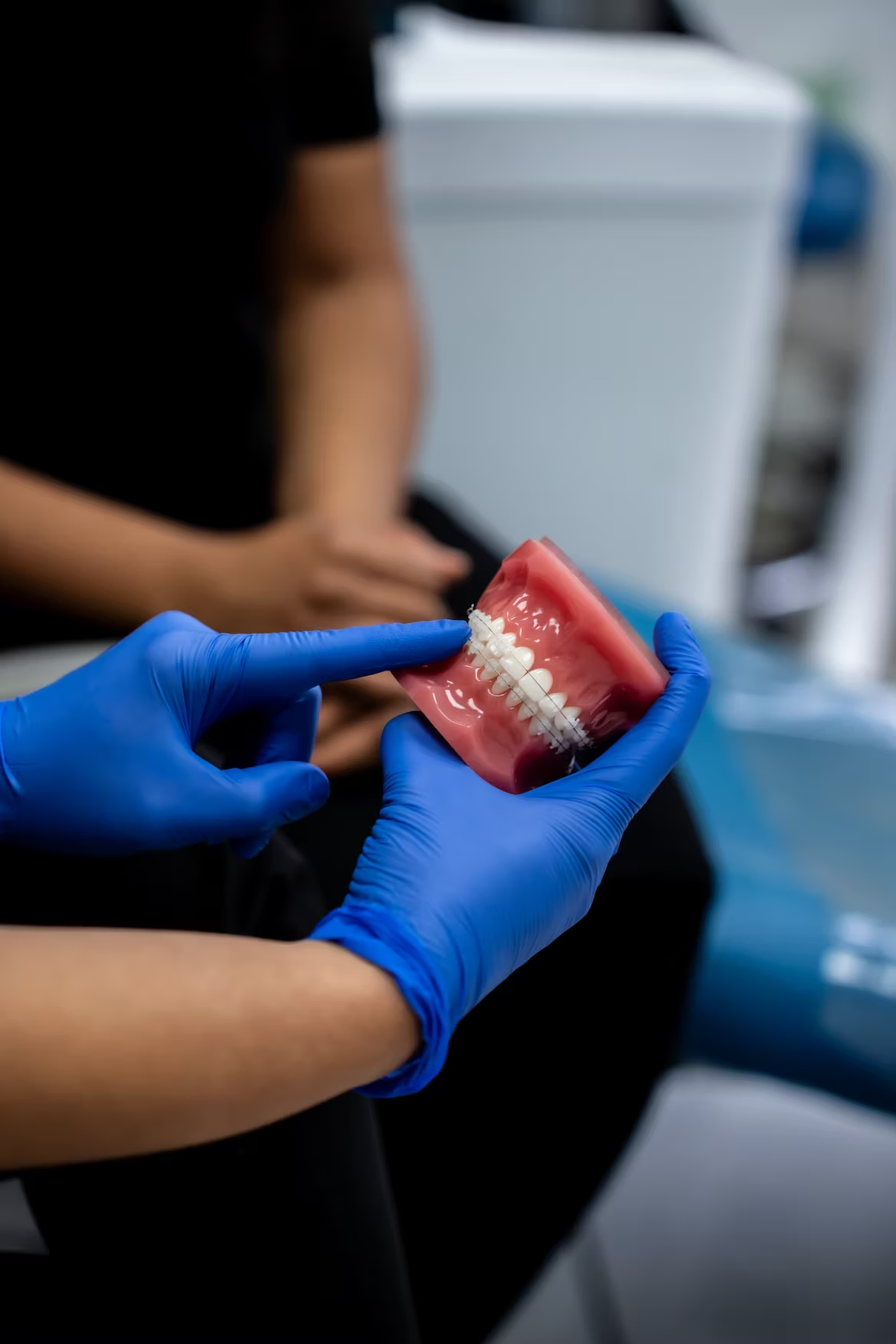
Gloved hands examining a model of the teeth.
Dentist preparing tools.
Step 1
Assessment & Options

A full examination and honest conversation about your options.

Step 2
Gentle Removal

Thorough numbing, careful technique, and sedation if helpful.

Step 3
Restoration Plan

Clear next steps for replacing the tooth, if needed.

Frequently Asked Questions

Does the extraction actually hurt? arrow_forward_ios
You won't feel pain during the extraction itself — we use thorough local anaesthetic to fully numb the area before any work begins. Most patients describe some pressure during the procedure, but no actual pain. Mild soreness in the days afterwards is normal and easily managed with standard over-the-counter pain relief. For more anxious patients, or for surgical extractions, we offer oral or IV sedation throughout.
How long will it take to heal? arrow_forward_ios
For a routine extraction, the initial healing of the gum takes about a week, with the underlying bone continuing to remodel for two to three months. Most patients are back to eating normally within a few days. Surgical extractions — including wisdom teeth or fractured roots — take a bit longer, often two to three weeks for the initial healing. We'll give you detailed aftercare instructions tailored to your specific case.
Should I have the tooth removed, or try to save it? arrow_forward_ios
Almost always, saving a natural tooth is preferable to extracting it — your own tooth preserves your bite, your jawbone, and the alignment of the teeth around it in a way no replacement quite matches. We'd only recommend extraction over root canal or restoration if the tooth is genuinely beyond saving. We'll always be honest with you about which option makes the most sense long-term.
What about my wisdom teeth — do they need to come out? arrow_forward_ios
Not necessarily. Wisdom teeth that have come through properly, are healthy, and aren't causing problems can usually stay where they are. Removal is generally only recommended when they're impacted (stuck partly under gum or bone), causing pain, getting decayed because they're hard to clean, or pushing other teeth out of position. We'll assess yours and tell you honestly whether they need to come out.
Will I need to replace the gap afterwards? arrow_forward_ios
That depends on which tooth has been removed. Back teeth (molars and premolars) generally need replacing because the gap affects chewing, bite stability, and can let surrounding teeth drift. Front teeth almost always need replacing for both function and appearance. Wisdom teeth don't need replacing — and very back molars sometimes don't either, depending on the bite. We'll discuss your specific situation as part of planning the extraction itself.